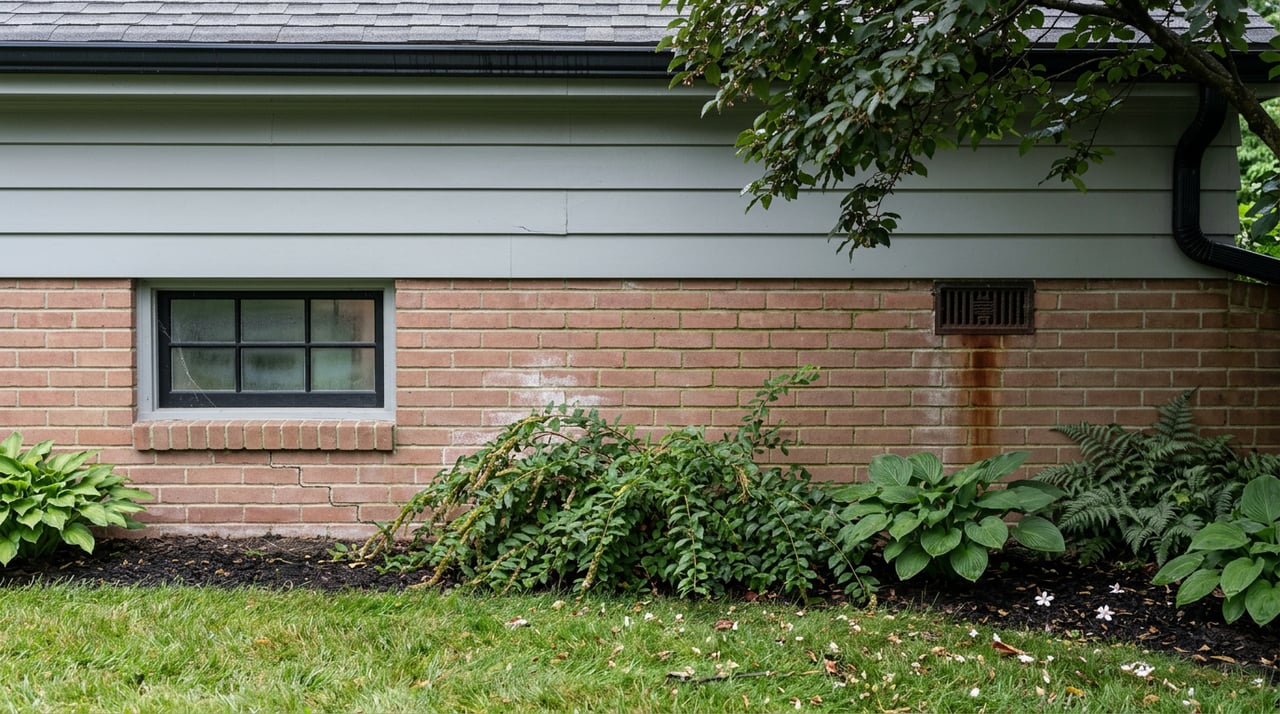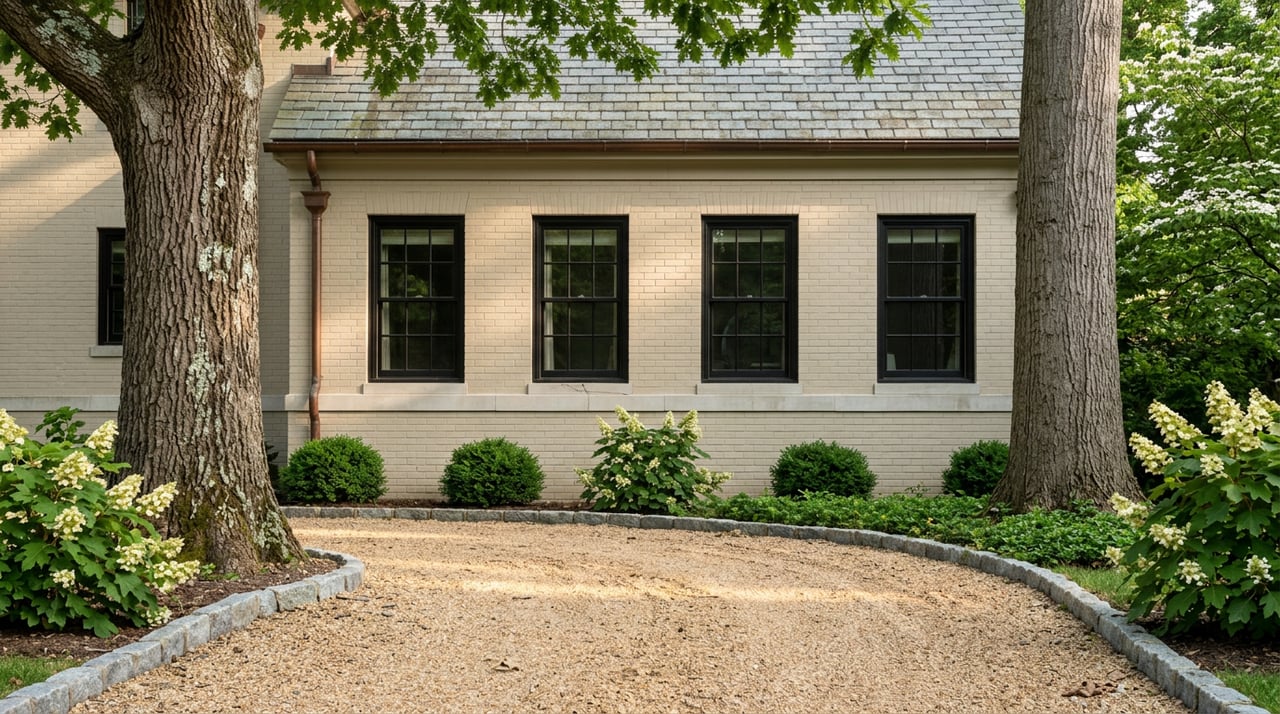
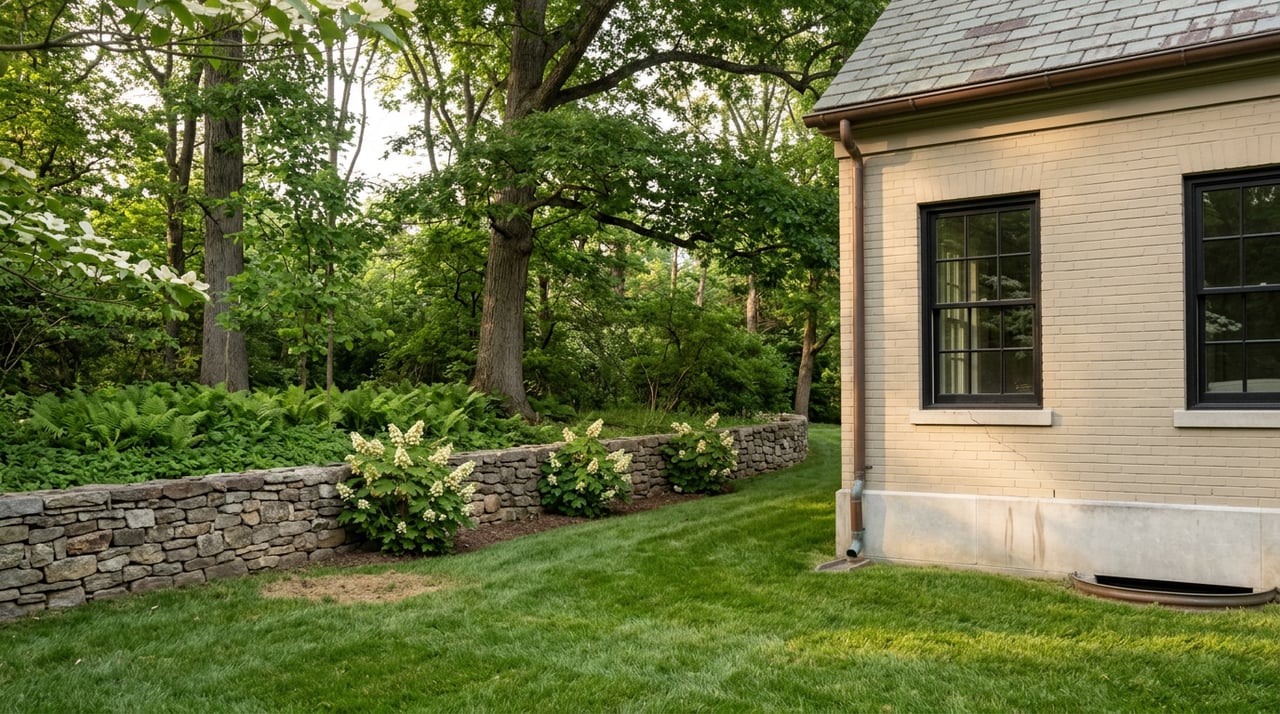
The friction on a 22101 lot deal rarely shows up in the listing sheet. It shows up three weeks into the feasibility period, when the surveyor calls to say the perennial stream at the back of the property carries a hundred-foot buffer, the county-adopted map is a decade behind the actual channel, and the pool you priced into your pro forma sits inside a Resource Protection Area.
That is the mechanism a buyer needs to price before signing, not after. The rest of this post is about how to price it.
The buffer has a per-foot cost, and it is not small
Median sale prices in 22101 hover in the low two millions, with per-square-foot land values that recent aggregators put in the $469 to $507 range depending on the month and mix. A 100-foot RPA buffer running 80 feet along the rear of a typical McLean lot removes roughly 8,000 square feet from the buildable envelope. Even if only a fraction of that overlaps the area you intended to develop, the loss is measured in six figures on a lot where the improvement value is often a rounding error against the dirt.
That is the frame. Everything below is about who draws the line, when they draw it, and what happens when the line moves after you close.
The county map is a starting point, not the answer
Fairfax County's Chesapeake Bay Preservation Ordinance designates Resource Protection Areas along waterways with perennial flow, and the county published two rounds of RPA guidance maps, one adopted July 1, 1993 and a revised set adopted November 17, 2003. Those maps show general boundaries "for planning purposes," and the ordinance is explicit that the actual limits may be refined by site-specific field study.
Practically, that means two things for a buyer:
- The map you pulled from the county viewer is not the boundary that will govern your permit. For any site-related plan where an RPA is shown, an RPA delineation study is required, and for infill lot grading plans the submitting engineer must certify that the RPA line drawn on the plan is accurate.
- If the property sits near a stream that the county has not yet mapped as perennial, the mapping can catch up to you. The Department of Public Works and Environmental Services conducted the perennial stream field studies that drove the 2003 amendments, and that program continues.
Order the site-specific delineation inside the feasibility window. Do not rely on the viewer.
The 2,500-square-foot line that changes your timeline
The number that catches out-of-town developers first is not the 100-foot buffer. It is 2,500 square feet.
Any land-disturbing activity within the RPA that exceeds 2,500 square feet generally requires an exception, and exceptions go to the Exception Review Committee, a public hearing body appointed by the Board of Supervisors. The committee defines land disturbance broadly, and the definition explicitly includes construction of single-family homes, septic tanks, and drain fields.
The ERC has already heard McLean cases at this scale. A recent notice under CBPO §118-6-3 covered an encroachment exception and Water Quality Impact Assessment for a shed at 1932 Great Falls Street in the Falls Run Estates subdivision, Dranesville District. A shed. If a shed can require a hearing, a new custom home with a driveway, patio, and pool inside the buffer will require a serious one, and the calendar for that hearing does not respect your contingency period.
What triggers the ERC track, in the sequence a buyer usually encounters:
- Any grading, structure, or vegetation removal inside the 100-foot buffer that exceeds 2,500 square feet of disturbance.
- Accessory structures like sheds, gazebos, pools, or detached garages proposed inside the buffer, which cannot be located there without an exception approved through a public hearing with associated fees.
- Clear-cutting to create lawn, which is not permitted at any threshold.
Civil penalties for non-compliance run up to $5,000 per day of violation, and violators are required to submit an approved restoration plan planted to densities set by CBPO §118-3-3(f) and the Public Facilities Manual.
The "loss of buildable area" trap that kills post-1993 lots
This is the provision that catches investors who buy on the assumption that any pre-existing lot can be built.
Under the ordinance, development is not permitted where there is sufficient buildable area outside the 100-foot buffer, or where the property was subdivided after the CBPO or a subsequent amendment took effect. The dates that matter are July 1, 1993 and November 18, 2003.
Translation for a buyer: a lot created out of a subdivision that recorded after those dates does not get the same latitude to encroach that an older, pre-existing lot receives. If a stream ran across the parent tract and the parcel you are buying was carved out afterward, the buffer is treated as a design constraint the original subdivider was expected to solve, not a hardship the current owner can appeal.
Two documents worth pulling before you waive feasibility:
- The recorded subdivision plat, with its date.
- Any prior grading plan or RPA delineation on file in PLUS for the parcel or its neighbors.
If the parcel was subdivided post-2003 and the buffer covers a meaningful share of the developable envelope, treat the deal as unbuildable until an engineer tells you otherwise in writing.
Renovation buyers get a narrower door
Not every McLean transaction is a teardown. For a renovation buyer looking at a home that predates the RPA map amendment, the ordinance provides an administrative waiver track for minor additions. Uncovered decks are commonly treated as minor additions and can be approved through an administrative waiver in PLUS, with no separate Water Quality Impact Assessment and no fee if there is no impervious area proposed.
That door only opens for houses constructed before the effective date of the applicable RPA map amendment. For a 1988 house on a stream, the waiver is available. For a 2007 house on the same stream, it is not, and the same deck becomes an ERC hearing.
The tree canopy layer sits on top of all of this
Chapter 122 of the county code, the Tree Conservation Ordinance, establishes 10-year tree canopy requirements for different land uses, tree preservation standards, planting requirements, tree banking, and a tree conservation plan process. Chapter 12 of the Public Facilities Manual governs the plans themselves, and the county recently proposed amendments to update the approved species table and canopy credit multipliers in Table 12.14.
For a wooded McLean lot, the canopy math and the RPA math have to be solved together. A tree conservation plan that meets the ordinance while preserving the mature canopy the neighborhood expects will often push a house footprint away from the same rear buffer the RPA is already protecting, compressing the buildable pad from both sides. That is the design problem a builder should be sketching in the feasibility period, not after closing.
What to write into the contingency
A defensible feasibility period on a stream-adjacent 22101 lot should give the buyer time and access to do the following:
- Pull the county RPA guidance map and the perennial stream mapping for the parcel and immediate neighbors.
- Commission a site-specific RPA delineation from a licensed engineer familiar with CBPO §118-1-7 criteria.
- Order a preliminary tree conservation sketch tied to the PFM Chapter 12 canopy targets for the proposed use.
- Review the recorded plat and any prior LDS submissions in PLUS for the parcel.
- Sit with an architect and a builder for a fit test that overlays the RPA line, the tree canopy plan, the setbacks, and the septic reserve area, if applicable, on the survey.
- If any element of the program falls inside the buffer, decide whether to redesign, request an administrative waiver, or accept the ERC public hearing timeline and rewrite the closing date accordingly.
A 21-day standard feasibility period is rarely enough for that sequence on a wooded lot near water. On the deals that survive, the buyer negotiated 45 to 60 days at contract, priced the delineation and canopy work into their diligence budget, and treated the ERC calendar as a real risk rather than a paperwork step.
FAQ
Does the RPA apply to lots that are not on a stream? The buffer runs 100 feet from a water body with perennial flow and from connected non-tidal wetlands, plus any land within a major floodplain. Lots that do not touch those features are outside the RPA, though they may still sit in a Resource Management Area under the same ordinance.
Can a seller deliver a clean RPA delineation before contract? Some do, particularly on lots that have been marketed to developers. Ask. If the seller has commissioned an engineer's delineation and it is recent, you inherit a starting point rather than a research project. If they have not, price the study into your feasibility budget.
What if the parcel was subdivided after 2003 and part of the intended footprint is inside the buffer? Assume the "loss of buildable area" provision applies and that the ordinance expects you to build outside the buffer using the area the subdivider preserved for that purpose. Confirm with an engineer before waiving feasibility. Do not assume an exception will be granted.
McLean lot deals reward buyers who treat the RPA line, the ERC calendar, and the tree canopy plan as one integrated feasibility question, not three separate ones. Donna Leanos advises buyers, builders, and developers through that diligence sequence on 22101 lots and other design-led transactions across the DMV. If you are evaluating a McLean lot and want an experienced read before you sign, get in touch.