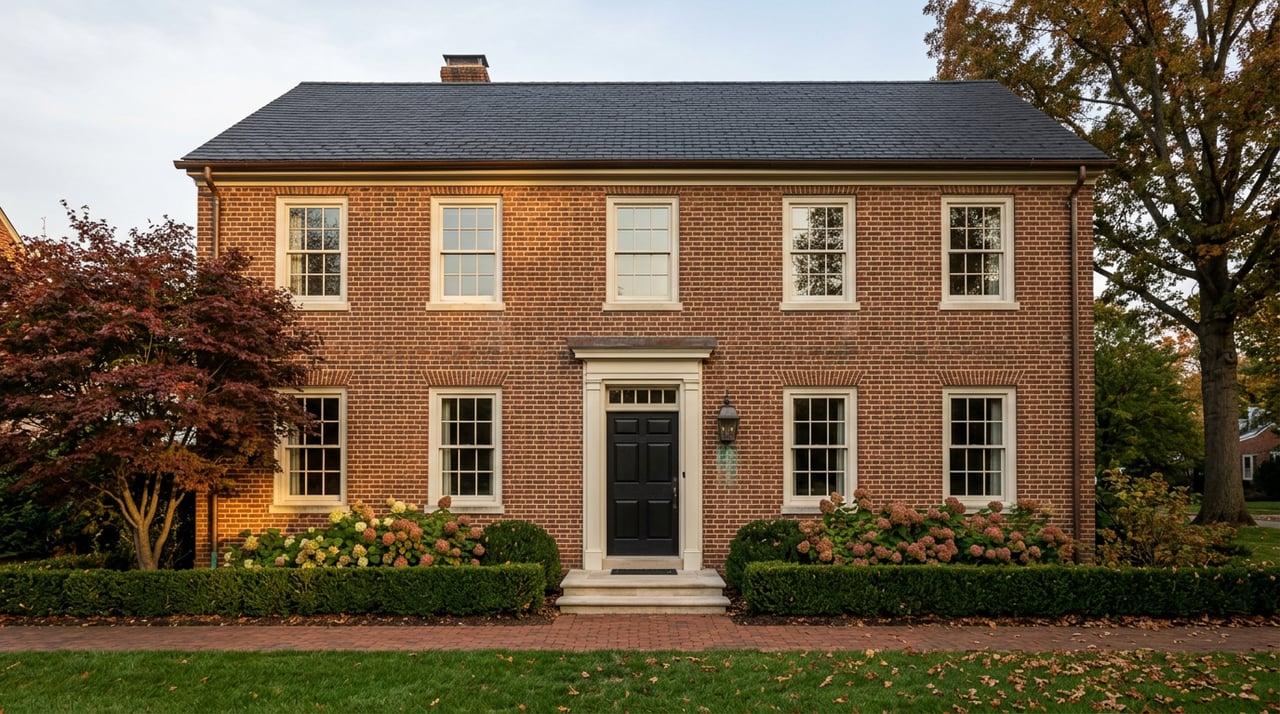
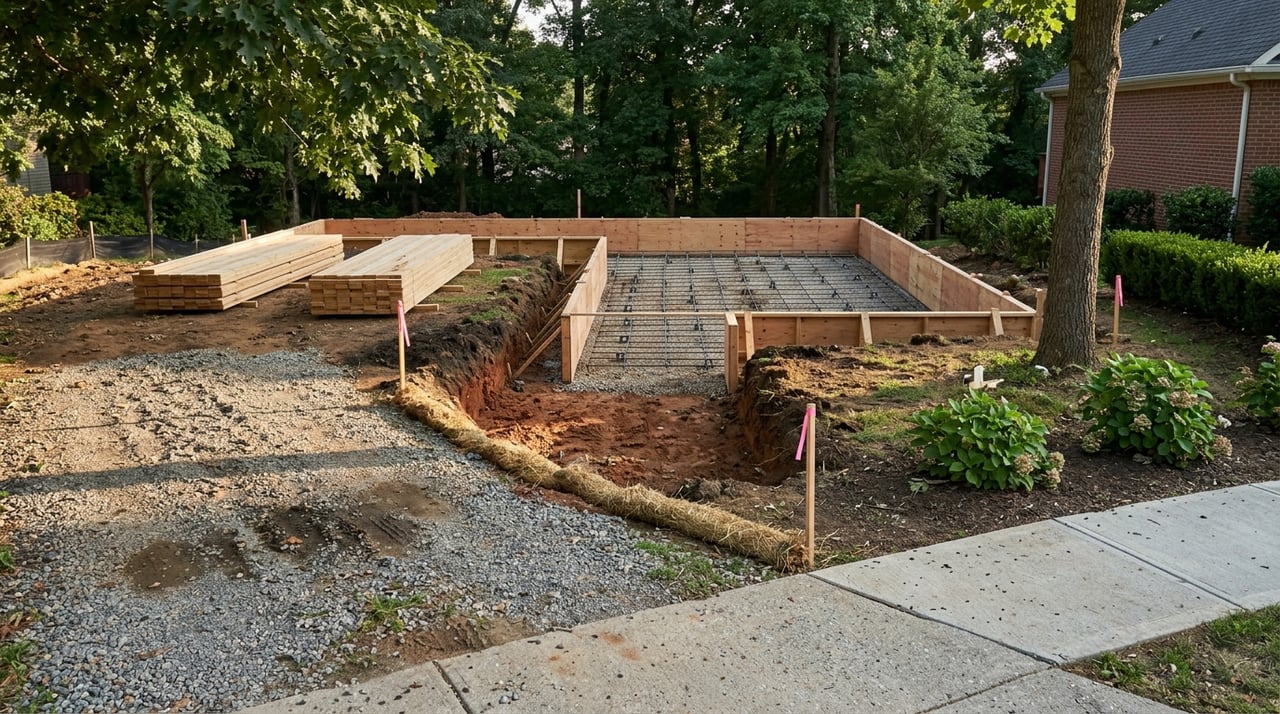
If you are looking at a teardown or vacant parcel in McLean, the lot itself can make or break the project long before design plans begin. A property that looks promising on paper may have width, slope, parking, or planning limits that change what you can actually build. The good news is that a disciplined lot review can help you separate true opportunity from expensive guesswork. Let’s dive in.
Why lot analysis matters in McLean
In McLean, lot potential is usually less about chasing extra density and more about understanding whether a site can support a stronger single-family new build by right. Fairfax County generally limits a lot to no more than one dwelling unit, so most teardown opportunities start with a simpler question: can this parcel support a better house within the current rules? Fairfax County’s zoning FAQs make that baseline clear.
That matters because McLean’s premium new-build market can support high finished values, but only when the lot works. Public sales and listings from 2025 and 2026 show custom and new-construction homes in McLean commonly trading from the mid-$2 millions into the low-$4 millions, depending on size, site, and setting. Those outcomes are tied not just to house quality, but to the lot’s ability to support the right product.
Start with zoning and plan base
Your first step is to confirm the parcel’s zoning district and plan base. Fairfax County makes this easier through its parcel reports and Zoning District Analyzer resources, which can show the district, plan guidance, and basic site information.
This is especially important in McLean because some properties fall within special planning areas, including the McLean Community Business Center and the West Falls Church Transit Station Area. If a parcel sits inside one of those areas, its review path may differ from a typical single-family teardown site under the county’s comprehensive plan guidance.
In practical terms, zoning tells you what the county allows by right, while the plan base helps frame how the land is viewed in broader planning decisions. You want both pieces before you make assumptions about value, scale, or redevelopment potential.
Know the lot standards that shape design
McLean lots can look similar at first glance, but zoning standards can produce very different design outcomes. Fairfax County’s current materials show that R-E lots begin at 75,000 square feet with 200 feet of width, R-1 lots begin at 36,000 square feet with 150 feet of interior width, and R-2 lots begin at 15,000 square feet with 100 feet of interior width, according to the county’s zoning district summary.
Those differences matter because lot width and shape can be just as important as total acreage. A wider lot often gives you more flexibility for the footprint, driveway layout, garage placement, and backyard usability. A narrow or awkwardly shaped parcel can reduce that flexibility even if the total lot size seems generous.
You should also account for front-yard parking limits. In R-1 and R-2 districts, Fairfax County limits front-yard surfaced parking to 25 percent of the front yard on lots no larger than 36,000 square feet, which can directly affect driveway width and how the front elevation is resolved. That may sound like a small detail, but on a luxury build, these site constraints often influence both function and curb appeal.
Check whether the lot is truly buildable
A lot is not automatically buildable just because it exists as a legal parcel. Fairfax County notes that a buildable lot must meet zoning yard requirements, floodplain requirements, Chesapeake Bay Preservation rules, and erosion and stormwater standards. The county also notes that lots recorded before March 1, 1941 are valid without a formal lot-validation submission under its yard and lot guidance.
This is where many buyers and developers need to slow down. A parcel may appear straightforward from the street, yet environmental or development standards can shrink the usable building envelope. That can affect where the house sits, how much grading is needed, and whether outdoor features fit the site comfortably.
For that reason, the gross lot size should never be your only metric. The more useful question is how much of the site is realistically usable after setbacks, drainage, stormwater, and other constraints are considered.
Topography can change the economics fast
In McLean, slope is one of the most important variables in lot analysis. Fairfax County’s buildability standards tie site viability to zoning yards, floodplain conditions, Bay Preservation requirements, and stormwater compliance, which means steep or irregular lots can become more expensive to develop even when the acreage is attractive. The county’s lot validation and permit guidance helps explain why this matters.
A sloped lot is not always a problem. In some cases, it can support a desirable walkout lower level or stronger rear-yard views. But steep topography can also trigger more grading, retaining walls, drainage work, and access challenges, all of which can add meaningful hard costs.
That is why site shape and terrain belong in the earliest underwriting. If the house program only works through major site intervention, the lot may not be as efficient as its asking price suggests.
Design features buyers reward
In McLean’s upper price bands, buyers tend to respond to lots that support light, privacy, and indoor-outdoor flow. Recent public examples help illustrate that pattern.
A 2025 custom sale at 6123 Long Meadow Rd highlighted a flat backyard and outdoor living. A 2025 sale at 1404 Kurtz Rd emphasized a sunlit morning room and large sliding doors, while a 2025 new-construction listing at 7925 Falstaff Rd called out abundant natural light and a walkout lower level.
These examples suggest a clear lesson for lot selection. In McLean, lots that allow a private rear yard, strong natural light, and a well-resolved connection between interior space and outdoor living often compete better in the luxury segment.
Privacy also carries weight. A 2025 McLean sale at 1198 Windrock Dr paired a nearly 1.5-acre site with a more secluded setting, while other marketed homes have emphasized treed rear boundaries and outdoor amenity potential. For a new build, that means the setting around the house can be as important as the structure itself.
What recent McLean comps suggest
McLean’s recent new-build and near-new sales show a fairly defined premium custom-home band. Publicly visible transactions include:
- 8104 Cawdor Ct, sold in May 2025 for $2.83M on 6,748 square feet and 0.36 acres
- 6123 Long Meadow Rd, sold in August 2025 for $3.5M on 7,696 square feet and 0.52 acres
- 1404 Kurtz Rd, sold in June 2025 for $4.2M on 9,630 square feet and 0.48 acres
- 1198 Windrock Dr, sold in April 2025 for $4.15M on 8,800 square feet and 1.48 acres
- 1311 Ranleigh Rd, sold in March 2026 as land only for $1.3M on a 0.5-acre lot
Taken together, these public examples suggest that a McLean lot with strong by-right buildability and the ability to support a premium house can justify a very different value than a parcel with unresolved site risk. They also reinforce that land basis and finished-home value can sit far apart, particularly when the lot has strong teardown potential but the new build has not yet been delivered.
A practical checklist for evaluating lot potential
If you are reviewing a McLean lot for a custom home or development play, this sequence is a strong starting point:
- Verify zoning and plan base. Confirm the district, plan designation, and whether the parcel is in a special planning area using Fairfax County parcel tools.
- Measure the real envelope. Look at frontage, width, depth, setbacks, and front-yard parking limits, not just total acreage.
- Assess slope and access. Consider whether grading, drainage, retaining walls, or driveway challenges could change the project budget.
- Study buyer-facing lot traits. Natural light, backyard usability, privacy, and walkout potential can all influence future market appeal.
- Compare to recent McLean comps. Use public sales and current new construction as a reality check for likely positioning and exit value.
- Flag any need for rezoning early. If the concept requires more density than the district allows by right, the county’s rezoning process adds time, hearings, and approval risk.
This process helps you move from broad interest to clear underwriting. In a market like McLean, that discipline can protect both your budget and your timeline.
The bottom line on McLean lots
The best McLean lots for new builds usually share a few traits: they are buildable by right, wide enough for a strong house plan, manageable from a grading and drainage standpoint, and located in an area where recent custom-home sales support the finished value. County rules determine whether the lot works. Market comps help determine whether it is worth the premium.
That is where experienced guidance matters. If you are evaluating a teardown, a building lot, or a property with redevelopment potential in McLean, Donna Leanos brings a design-informed, strategy-first approach to sourcing, underwriting, and positioning complex luxury opportunities.
FAQs
What should you check first when evaluating a McLean lot for a new build?
- Start by confirming the zoning district, plan base, and whether the property is located in a special planning area through Fairfax County parcel and zoning resources.
How does zoning affect new-build lot potential in McLean?
- Zoning affects minimum lot size, width, setbacks, parking limits, and whether the parcel is likely suited for a by-right single-family rebuild rather than a higher-density project.
Why does lot width matter for McLean new construction?
- Lot width can influence the house footprint, garage placement, driveway layout, and overall design flexibility, even when the total lot size appears sufficient.
How can slope affect the value of a McLean building lot?
- Slope can reduce the usable building envelope and increase costs for grading, drainage, retaining walls, and access improvements.
What do recent McLean sales suggest about new-build value?
- Public 2025 and 2026 examples suggest that well-positioned custom homes in McLean often trade from the mid-$3 millions into the low-$4 millions, while teardown or land-only pricing can be much lower depending on site risk and existing improvements.