If you own or hope to buy a historic home in Georgetown, one question tends to come up fast: how do you improve the way the house lives without losing what makes it special? That balance matters here more than almost anywhere in Washington. In Georgetown, smart updates are not just about taste. They are about preserving visible character, respecting review rules, and making choices that support long-term value. Let’s dive in.
Why Georgetown Requires A Careful Plan
Georgetown Historic District was created in 1950, making it the first historic district in Washington and the sixth in the United States. It is also a National Historic Landmark. That history is part of why Georgetown continues to stand apart, with homes ranging from modest row houses to larger estates and architectural styles that span multiple periods.
That variety matters when you plan updates. A Georgetown house is not required to fit one single style, but its visible street presence still carries weight. The goal is usually not to make a home look frozen in time. It is to keep the public-facing character intact while improving how the home functions for modern life.
Understand Georgetown’s Review Structure
Georgetown follows a distinct preservation review path for exterior work. Because the district predates Washington’s historic preservation law, the Old Georgetown Board reviews exterior architectural features, height, appearance, color, and the texture of exterior materials. The Historic Preservation Office, or HPO, uses the same preservation standards for work that is not visible from public space.
That distinction is one of the most important things to understand before you start. In simple terms, interior work is usually more straightforward than exterior work, especially when changes do not alter the visible exterior envelope.
Owners are encouraged to contact HPO for a preliminary design review consultation before applying for a permit. For many projects, preservation approval happens through HPO clearance of the building permit application rather than through a separate preservation permit. The Office of Planning also notes that more than 95 percent of preservation-review permit applications are handled through HPO expedited review.
Even so, Georgetown projects are still evaluated case by case. If your proposal involves the exterior, especially visible changes, it is wise to plan early and assume that design details will matter.
Start With The Least Disruptive Updates
If your priority is value, livability, and a smoother path through review, the safest place to begin is often inside the existing shell. Buyer-demand data points in the same direction. The 2025 Remodeling Impact Report found strong demand for kitchen upgrades and bathroom renovations, and it also found that 46 percent of buyers are less willing to compromise on home condition.
In Georgetown, that often means the most practical improvements are the ones buyers feel every day but do not necessarily see from the street. Think better kitchen flow, improved baths, stronger storage, upgraded systems, and thoughtful rear-space planning.
Focus On Kitchen Function First
Kitchen upgrades tend to make sense in Georgetown because interior alterations are generally not subject to preservation review. That gives you more freedom to improve layout, storage, circulation, and daily use without stepping into more sensitive exterior issues.
The easiest kitchen projects are usually the ones that leave the exterior unchanged. If a redesign requires a new front opening, visible venting, or facade alterations, the review process becomes more complex. In a historic setting, even practical upgrades can become design issues once they affect the street-facing exterior.
A strong Georgetown kitchen plan often starts with function rather than trend. Better cabinetry, more useful prep space, improved lighting, and a cleaner relationship to dining or rear garden areas can modernize the home without making it feel disconnected from the rest of the house.
Upgrade Baths And Primary Spaces Thoughtfully
Bathrooms and primary-suite improvements also align well with what many buyers want. In the 2025 Remodeling Impact Report, bathroom renovations scored very high for homeowner satisfaction, and added primary suite projects earned a perfect joy score.
In Georgetown, these projects tend to work best when they remain interior or are handled through a modest rear addition. That approach helps you improve comfort and privacy while avoiding more sensitive front or roof changes. If a house needs a better bedroom-bath relationship, the smartest answer is often careful planning at the rear rather than a dramatic public-facing alteration.
Improve Systems Without Broadcasting Them
Some of the best updates in a historic home are the ones you barely notice once they are done. Mechanical, electrical, and plumbing work can significantly improve comfort, efficiency, and day-to-day reliability. Preservation rules are generally more permissive about interior alterations than visible exterior changes, which makes systems work relatively low-friction when exterior components remain non-visible.
This is where planning pays off. Roof equipment, dormers, solar panels, and other visible exterior alterations may still require review. If you can route and locate equipment in ways that limit public visibility, you may preserve both the house’s appearance and a smoother approval path.
Treat Rear Additions With Restraint
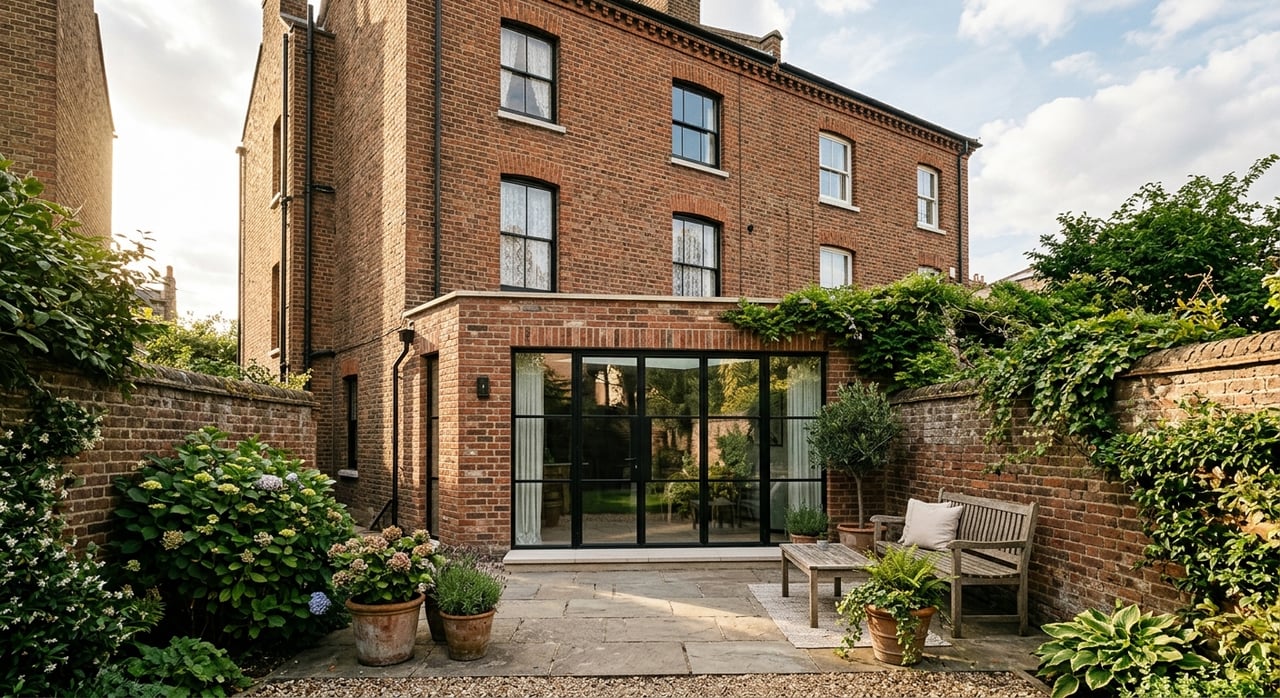
Many Georgetown homes offer the most flexibility at the rear. That makes sense in a neighborhood where the front-facing main block often carries the strongest historic presence, while rear-yard or alley-oriented secondary spaces may offer more room for modernization.
Still, a rear addition is not a blank check. Georgetown policy says additions should remain subordinate, should not approach doubling the size of the building, should preserve as much historic fabric as possible at the connection, and should not project substantially beyond adjacent buildings of similar type.
In practical terms, the best rear additions tend to feel measured and well-integrated. They support the original house instead of overpowering it. If the new work reads like a separate agenda, the project is more likely to invite scrutiny.
Minor rear additions under 500 square feet that are not prominently visible from the street may fall into a lower-intensity staff review path. By contrast, substantial rear additions usually require deeper review, and roof additions visible from the street are discouraged or treated as major review items.
Protect What Buyers See First
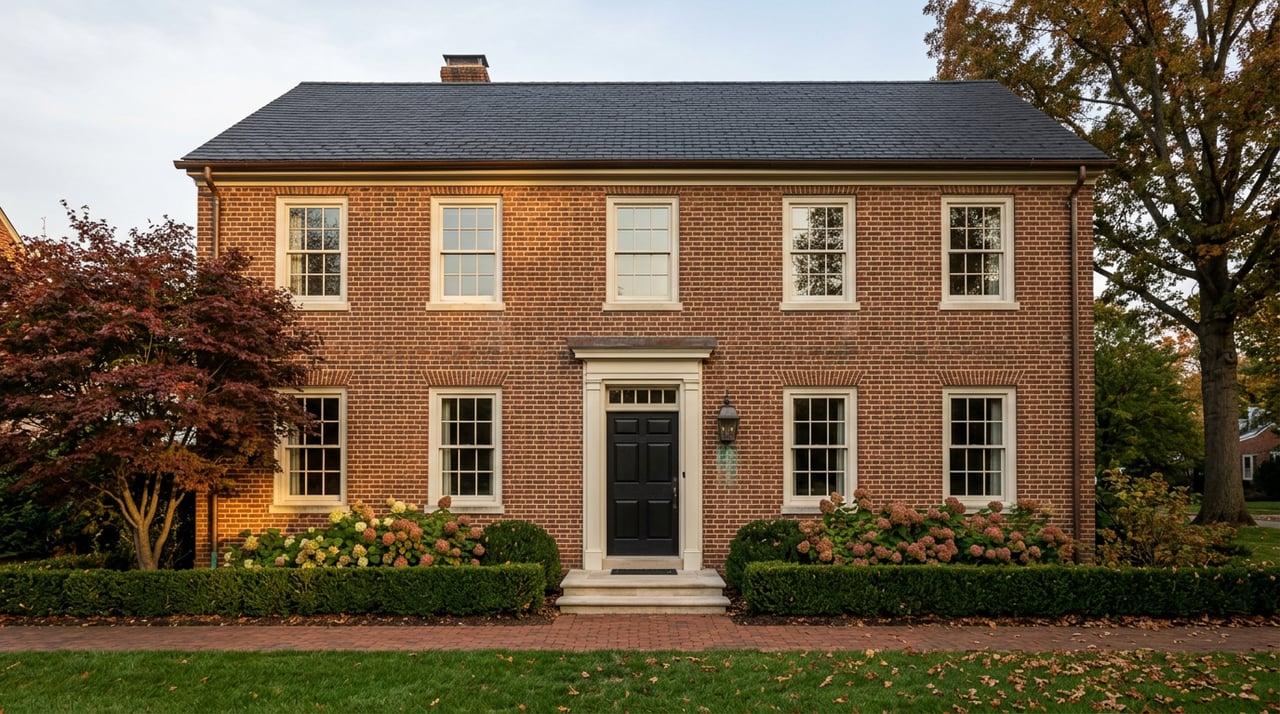
In Georgetown, craftsmanship matters most where it is visible every day. The front facade, windows, masonry, doors, and the transition between the historic shell and any new work all shape how the home is perceived. These are not small details. They are often the difference between a thoughtful renovation and one that feels generic.
Windows deserve special attention. The Commission of Fine Arts considers windows a character-defining feature in Georgetown and prefers restoration of pre-1950 windows where possible. For public-facing replacements, the expectation is generally wood, single-glazed, true-divided-light units when appropriate.
On less visible secondary elevations, there is usually more flexibility. Simulated divided-light replacements and interior storm windows may be more acceptable there. The key point is that “historic-looking” is not always enough. Proportion, profile, and placement matter.
Know Which Projects Trigger More Review
Some changes are usually easier to move forward. These often include interior alterations, ordinary maintenance, paint, window repair, landscaping that does not involve paving, and clearly non-visible HVAC or solar work.
Other projects tend to trigger deeper review. These can include front or side additions, porch enclosures, substantial rear additions, roof additions or decks visible from the street, new curb cuts, and the removal of distinctive windows or materials.
If you are weighing options, it helps to sort them into two buckets early:
- Lower-friction improvements that mainly affect interior livability
- Higher-scrutiny changes that alter visible exterior character, massing, or materials
That simple framework can save time, money, and frustration before design work goes too far.
A Practical Planning Sequence
If you are preparing to update a Georgetown historic home, a measured sequence usually works best.
1. Define your real goal
Decide whether you are solving for daily livability, preparing for resale, or planning a long-term renovation. Your answer will shape which improvements deserve priority.
2. Separate interior from exterior scope
List the parts of the project that stay entirely inside the house and the parts that affect the exterior. This helps you identify what may move more easily and what needs deeper strategy.
3. Preserve visible character
Treat the front facade, windows, masonry, doors, and roofline as high-value design elements. In Georgetown, these are often the details that carry both preservation sensitivity and buyer appeal.
4. Explore rear-yard solutions carefully
If you need more space, study whether a modest rear addition can solve the problem without overwhelming the existing structure. Subordinate massing and a careful connection to the historic fabric matter.
5. Consult HPO early
A preliminary design review consultation can help clarify the likely review path before permit submission. That is especially helpful when your plans include any visible exterior change.
6. Design for coherence, not contrast alone
The most successful updates usually feel calm and intentional. They improve the way the home lives while respecting the architectural logic that made it worth preserving in the first place.
Why This Matters For Long-Term Value
In a place like Georgetown, renovation decisions are rarely just cosmetic. They affect approval timelines, project risk, buyer perception, and eventual resale positioning. Because many buyers are less willing to compromise on condition, well-planned updates can improve market appeal, especially when they solve real functional issues without sacrificing character.
That is why sensitive planning matters. The best Georgetown renovations do not compete with the house. They make the home more livable, more polished, and more complete while keeping the visible architecture grounded in its setting.
If you are evaluating a Georgetown property, preparing a future sale, or planning changes before you commit to a purchase, a design-led strategy can make the process far clearer. For guidance on historic homes, complex renovations, and high-value decision-making in Georgetown, connect with Donna Leanos.
FAQs
What kinds of updates are usually easiest in a Georgetown historic home?
- Interior alterations, ordinary maintenance, paint, window repair, some landscaping without paving, and clearly non-visible HVAC or solar work are typically easier to move forward than visible exterior changes.
Do Georgetown historic homes need preservation approval for kitchen renovations?
- Kitchen work is often more straightforward when it remains entirely interior. If the project changes the facade, adds visible vents, or creates new exterior openings, review becomes more sensitive.
How are rear additions reviewed in Georgetown?
- Rear additions should remain subordinate, preserve as much historic fabric as possible at the connection, and avoid projecting substantially beyond similar adjacent buildings. Minor rear additions under 500 square feet that are not prominently visible from the street may follow a lower-intensity staff review path.
Why are windows such an important issue in Georgetown historic homes?
- Windows are considered a character-defining feature in Georgetown. Restoration of pre-1950 windows is preferred where possible, and public-facing replacements are generally expected to match appropriate historic proportions and materials.
Should you contact HPO before planning exterior updates to a Georgetown home?
- Yes. The Office of Planning encourages owners to contact HPO for a preliminary design review consultation before applying for a permit, which can help clarify the likely review path early.