
If you are weighing a luxury condo against a house in central DC, you are really deciding how you want to live day to day. In a market where location, design, privacy, and convenience all carry real value, the better choice is rarely about prestige alone. This guide will help you compare cost, upkeep, space, and lifestyle so you can make a smart decision for downtown Washington. Let’s dive in.
What the Choice Means in Downtown DC
In central Washington, the condo versus house decision is often a lifestyle question first. Downtown is a busy, walkable center for business, dining, shopping, and nightlife, and the Downtown Historic District reflects one of the city’s oldest mixed-use areas.
That setting naturally supports luxury condo living. In places like CityCenterDC, the model is built around a pedestrian-friendly environment with residences, retail, office space, public gathering areas, and structured parking all in one downtown setting.
At the full-service end of the market, buildings like The Ritz-Carlton Residences show what condo living can offer at a high level. Features such as 24/7 concierge, valet parking, private garage access, fitness access, and hotel-adjacent services can make daily life feel streamlined, especially if you travel often or want a more lock-and-leave ownership style.
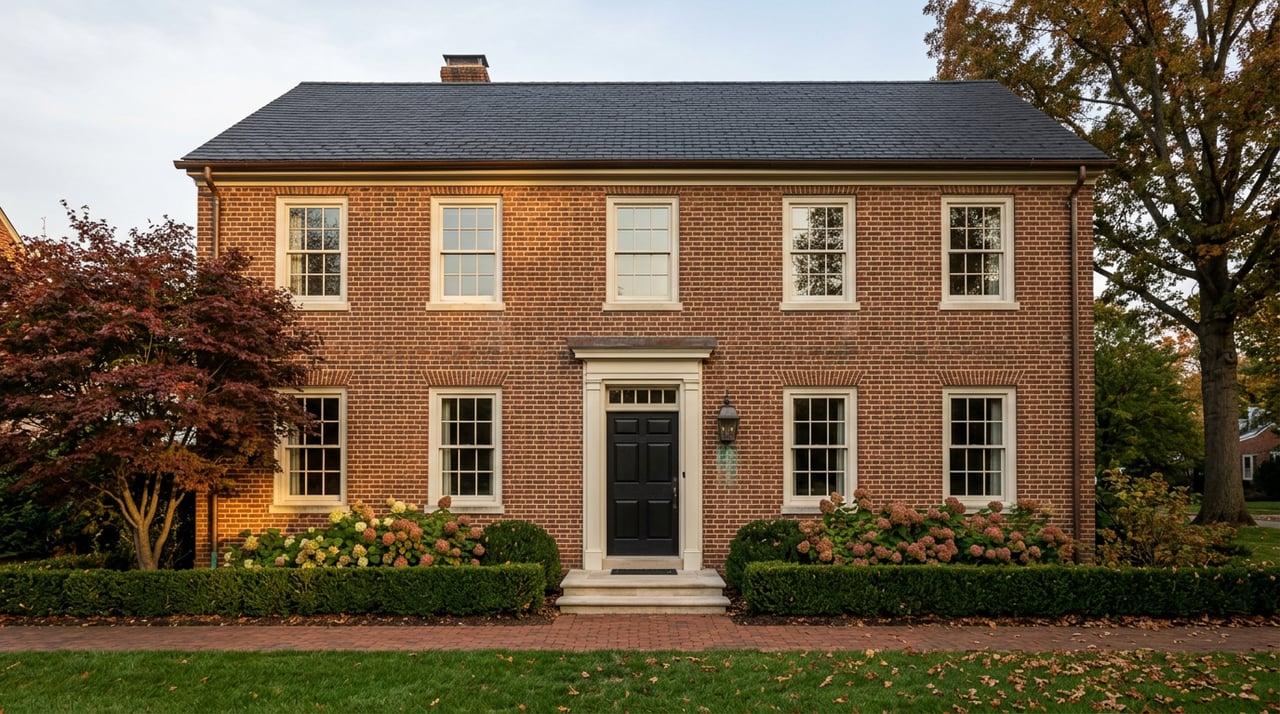
A house offers something different. In Washington, that often means a more stand-alone residential experience, more architectural individuality, and more direct control over the property itself.
Compare Daily Lifestyle First
Before you compare line items, it helps to picture your weekly routine. The right property should support how you move through the city, how much time you spend at home, and how much hands-on responsibility you want.
When a Luxury Condo May Fit Better
A downtown luxury condo may be the better fit if you want convenience built into the property itself. Full-service buildings can simplify arrivals, departures, deliveries, guest access, and everyday logistics.
This option can also make sense if you value a central location and want to be close to offices, restaurants, shopping, and cultural destinations. In a walkable downtown environment, that ease can become part of your quality of life.
For many buyers, the other key benefit is lower day-to-day maintenance. You still own and care for your unit, but shared building systems and common areas are generally handled through the association.
When a House May Fit Better
A house may be the stronger choice if you want more separation from a shared-building setting. You may also prefer more interior flexibility, more storage, or outdoor space that feels more private and directly yours.
In Washington, house living also tends to come with stronger architectural identity. Georgetown includes homes dating to the 18th century on tree-lined residential streets, while Logan Circle is known for turn-of-the-century townhouses and Cleveland Park includes moderate-to-large single-family detached houses.
If you care deeply about materials, layout, long-term customization, or the feel of a more established residential setting, a house may align better with your priorities. That is especially true if you want your property to evolve over time with renovations or design changes.
Look Beyond the Purchase Price
In DC, the monthly and closing-cost picture matters just as much as the list price. Whether you choose a condo or a house, your actual cost of ownership includes several moving parts.
DC Property Taxes Matter
DC’s residential property tax rules are important for luxury buyers. Class 1A residential real property is taxed at $0.85 per $100 of assessed value.
Class 1B applies to properties with two or fewer units. Under that structure, the first $2.588 million is taxed at $0.85 per $100, and any amount above that is taxed at $1.00 per $100.
For many owner-occupants, the bigger tax question is not simply condo versus house. It is whether the property is owner-occupied, how it is classified, and whether the value crosses the Class 1B threshold.
Eligible owner-occupants may also benefit from DC’s Homestead Deduction. For tax year 2026, that deduction reduces assessed value by $91,950 for an owner-occupied principal residence with no more than five dwelling units, and eligible homeowners may also receive the Assessment Cap Credit that limits annual taxable growth to 10 percent.
Closing Costs Are Significant
Luxury buyers in DC should also plan for transfer-related taxes at closing. On residential transactions of $400,000 or more, the deed recordation tax is 1.45 percent and the deed transfer tax is 1.45 percent.
That means closing costs can be substantial on both condos and houses. On a higher-priced purchase, those figures deserve the same attention as mortgage terms.
Condo Dues Change the Math
For condos, monthly HOA dues are a major part of the affordability picture. These fees are generally paid directly to the association and are not included in the mortgage payment.
Depending on the building, dues can range from a few hundred dollars per month to more than $1,000 per month. In a luxury building with concierge services, amenities, and shared infrastructure, the number can play a large role in your total monthly cost.
Houses Carry Different Ongoing Costs
A house may not have condo dues, but that does not mean lower ownership costs. Your total monthly housing budget can include mortgage principal and interest, property taxes, homeowner’s insurance, utilities, maintenance, repairs, and in some cases supplemental insurance.
With a house, you should budget for both routine upkeep and major future items. Roof work, exterior repairs, and systems replacement fall more directly on you.
Maintenance and Insurance Work Differently
This is often where the condo-versus-house choice becomes very practical. The ownership structure affects not just your budget, but also your time and attention.
Condo Ownership Shifts Shared Responsibilities
With a condo, the association usually maintains common areas and shared structures. Condo associations also usually maintain master insurance for common areas, although you still need your own insurance for the unit itself.
For many buyers, that setup is appealing because it turns some unpredictable maintenance into a known monthly expense. You trade more direct control for more shared management.
House Ownership Gives More Control
With a house, you are generally responsible for maintenance and repairs, from small fixes to major capital items. That gives you more control over decisions and timing, but it also means more oversight and more planning.
If you like managing a property and making design or repair decisions directly, that can be a real advantage. If you travel often or want a lower-friction ownership experience, it may feel like more responsibility than you want.
Privacy, Space, and Character
Some buyers know immediately that they want the energy of a tower. Others know they want a front door that feels more independent. In central DC, both choices exist, but they deliver very different forms of privacy and space.
Condos Offer Service and Efficiency
A luxury condo can offer a highly efficient way to live in the city. Shared amenities, staffed entries, garage access, and centralized services can make the property easy to use and easy to leave.
That efficiency is especially attractive for relocating executives, frequent travelers, or buyers who want a polished city base without the operational demands of a house. The tradeoff is that you are living within a shared-building environment.
Houses Offer More Separation
A house usually offers more separation from neighbors and more room to spread out. Depending on the property, you may gain larger storage areas, multiple living zones, and outdoor space.
Neighborhood setting also shapes the experience. Georgetown offers historic residential streets, Logan Circle blends townhouse character with a lively nearby corridor, and Cleveland Park presents a more detached-house pattern tied to its historic streetcar-suburb form.
Historic Rules Can Affect House Ownership
In Washington, some house buyers focus on freedom and customization, only to discover that historic review can shape what is possible. That does not make a house less appealing, but it does make due diligence important.
In Georgetown, most exterior work permits are reviewed under the Old Georgetown Act. In historic areas more broadly, exterior alterations to historic properties may be subject to preservation review, even though some routine interior work may be exempt.
If you are considering a historic house, you should factor in timing, approvals, and design constraints early. For buyers who appreciate architecture and craftsmanship, this can still be a strong value proposition, but it requires clear planning.
Questions to Ask Yourself
If you are deciding between a downtown luxury condo and a house, these are often the most useful questions:
- How often do you travel?
- How much maintenance do you want to manage yourself?
- Is a full-service building worth the monthly dues to you?
- Do you need more space, storage, or outdoor area?
- Do you want a central, walkable setting or a more residential feel?
- Are you comfortable with the review process that may come with a historic property?
Your answers usually point to the right fit faster than broad assumptions about what luxury living should look like.
A Smart DC Decision Is Personal
In downtown Washington, a luxury condo can offer service, convenience, and a highly efficient ownership model in the center of the city. A house can offer more privacy, stronger architectural individuality, and more direct control, but usually with more maintenance and, in some cases, historic review considerations.
The best choice depends on how you live, what you value, and how you want your home to function over time. If you want a strategic, design-informed perspective on central DC options, Donna Leanos can help you compare properties with clarity and discretion.
FAQs
Should you choose a downtown DC luxury condo if you travel often?
- If you travel often, a luxury condo may fit well because full-service buildings can offer concierge support, valet parking, and a lower-maintenance ownership model.
Are DC condo fees included in your mortgage payment?
- No. Condo or HOA dues are generally paid directly to the association and are not included in the mortgage payment.
Do houses in Washington, DC usually require more maintenance than condos?
- Yes. House ownership generally places more responsibility on you for repairs, upkeep, utilities, and major items like roof or exterior work.
Are property taxes different for a DC condo and a house?
- They can be. In DC, taxes depend on factors such as property classification, owner-occupancy, and assessed value, not just whether the home is a condo or a house.
Should you worry about historic review when buying a DC house?
- If the house is in a historic area, yes. Exterior work may be subject to preservation review, which can affect project timing and design decisions.
Is a house better than a condo for more privacy in central DC?
- In many cases, yes. A house usually offers more separation from the shared-building environment, though the right choice still depends on your lifestyle and priorities.