Georgetown did not invent waterfront dancing in 2026. Tuesday editions appeared in 2024 and 2025, and the underlying community gathering has also met on Saturdays. What changed this summer is more useful than novelty.
The Tuesday program became coherent.
A free class establishes the hour. A three-hour window leaves room for imperfect schedules. The waterfront supplies a civic room already designed for gatherings. Restaurants and merchant offers carry the evening beyond the park. For residents, that combination makes Tuesday legible without requiring a reservation, a ticket, or a trip across the city.
“Home” in this case means the neighborhood. The significance is not that everyone stayed. There are no public attendance figures or resident counts to support that claim. The point is that Georgetown DC summer 2026 gave people a credible reason to make Tuesday local.
The evening now has a reliable spine
Dancing on the Waterfront runs at Georgetown Waterfront Park, 3200 K Street NW, on Tuesdays from 6 to 9 p.m. The updated 2026 season began June 9 and is currently scheduled through August 4.
The format changes with the dance style, but the structure remains clear:
- On Latin and African dance nights, salsa and bachata instruction runs from 6 to 7 p.m.
- Unguided social dancing follows from 7 to 9 p.m., with salsa, bachata, Kizomba, and Brazilian zouk.
- On swing, country, square, and line-dancing nights, an instructor guides the group throughout the three-hour program.
- A DJ mixes genres each week.
- Participation is free and designed for a range of experience levels.
This is effective scheduling. The opening lesson gives the evening a definite start, while the social portion permits a later arrival. Someone can attend the full class, stop by after work, or join after dinner. The program does not depend on every participant following the same plan.
As of July 15, the remaining advertised schedule is:
July 21: Square dancing
July 28: Line dancing
August 4: Program to be announced
The schedule also identifies August 4 and August 11 as rain dates. Weather is a real operating condition rather than a footnote. The July 7 session was postponed, so the current event page should be checked before leaving home.
The park was designed to do this work
Programming alone does not explain why the series feels established. The site does.
Georgetown Waterfront Park occupies 10 acres between 31st Street and Key Bridge. According to design firm WRT, the project converted a former industrial site into a public civic space through a long, two-phase process.
Its organization is precise. Garden rooms are divided like sections within a ship’s hull. Broad walks extend Georgetown’s street grid toward the Potomac. Overlooks and granite displays frame both the river and the site’s history. A continuous promenade links the rooms along the water.
At Wisconsin Avenue, the park opens into a larger gathering zone with a fountain, pergola, and stepped river bulkhead. Those elements give the dance series useful infrastructure without making the space feel like a formal venue.
The National Park Service describes the river steps as seating originally conceived for rowing regattas. The steel-and-cable pergola recalls the waterfront’s industrial past. Rain gardens, accessible paths, a seasonal fountain, and a labyrinth create different speeds of use across the site.
That range matters on a Tuesday. One person can take the lesson. Another can watch from the steps. Others can move along the promenade or pause beneath the pergola. The design accommodates activity without requiring the entire park to participate in it.
The dance floor is therefore part of a larger public room. It does not feel temporarily imposed on an unrelated piece of pavement.
A habit needs enough slack to survive real schedules
Many summer programs are easy to admire and difficult to use. They begin too early, require advance registration, or offer one date that must compete with every other obligation.
Dancing on the Waterfront avoids much of that friction.
The three-hour window is long enough to absorb a late meeting or a delayed dinner. Repeated Tuesdays reduce the stakes of missing one. Rotating styles give residents a reason to return without turning the series into a course that punishes an absence.
The rain dates also matter. Outdoor programming cannot eliminate weather risk, but it can account for it. The postponed July 7 session demonstrates why an updated schedule and make-up capacity are part of good execution.
This is where 2026 differs from a one-night activation. The program has enough continuity to become part of a weekly rhythm. It can sit on the calendar as a standing option rather than a special occasion.
The neighborhood extends the evening beyond the park
The waterfront is less than a five-minute walk south of M Street. That proximity allows the event to connect with Georgetown’s existing dining rooms and patios rather than operate as a self-contained production.
Sequoia, Guapo’s, Tony and Joe’s Seafood Place, Nick’s Riverside Grill, and Farmers Fishers Bakers are established waterfront options. Farmers Fishers Bakers currently advertises happy hour at its bar and patio from 3:30 to 6 p.m. Tuesday through Friday. That timing creates a straightforward sequence: an early drink or bite, then the 6 p.m. lesson.
The 2026 series also connects with businesses beyond the immediate riverfront. Promotional participants listed through August 11 include:
- CorePower Yoga on Thomas Jefferson Street
- Gold’s Gym on M Street
- George’s King of Falafel and Cheesesteak on 28th Street
- GRECO Truly Greek on Wisconsin Avenue
- Hela Medical Spa on M Street
- maman on Wisconsin Avenue
- MZ Wallace on Wisconsin Avenue
The individual offers have different terms, so they should be confirmed before use. Their larger value is geographic. The series now reaches north from the river into the commercial streets, turning one event into a broader neighborhood circuit.
New rooms have changed the choice set
Two 2026 restaurant openings sharpen that circuit, particularly for residents who want a more considered dinner before or after the waterfront.
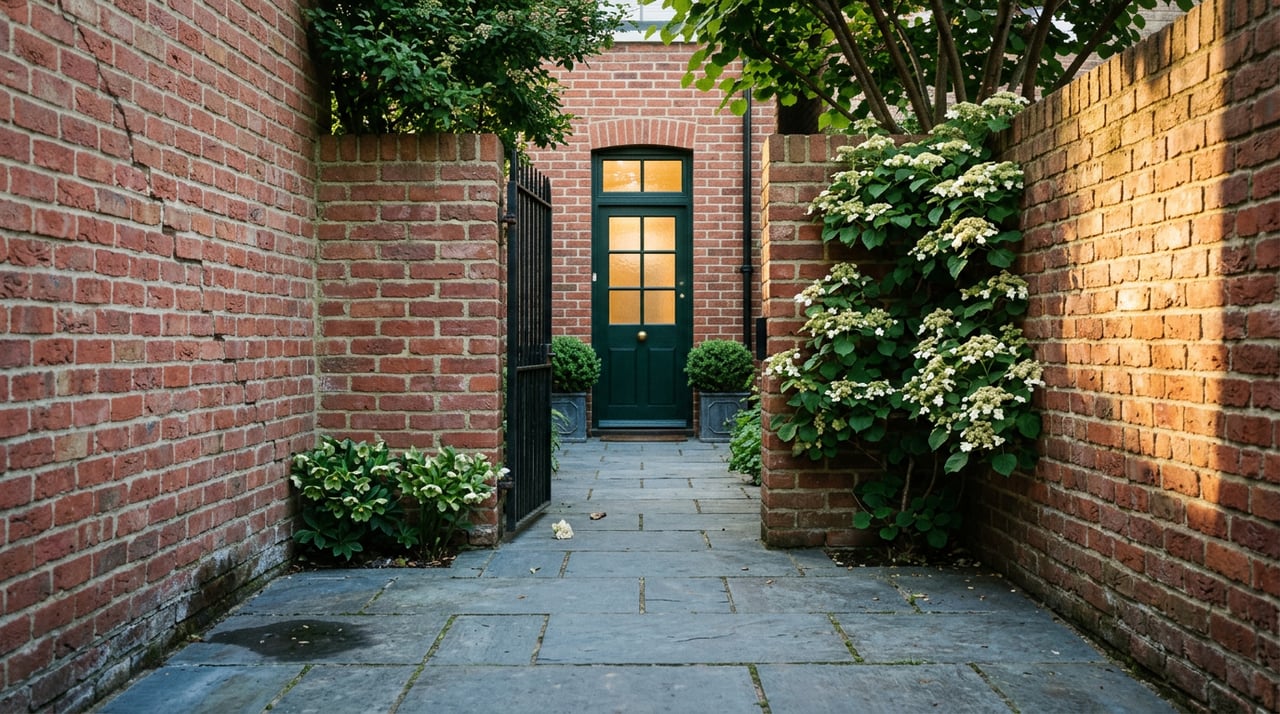
Ox & Olive opened May 7 in the former Reverie space off the C&O Canal. The concealed alley entrance leads to a 50-seat dining room designed by Natalie Park. Dark green curtains, wrought-iron details, arched forms, and candlelight create an intimate counterpoint to the exposed waterfront.
The room is relevant because it adds a deliberately composed interior close to the Tuesday activity. A resident can move from an enclosed, material-rich dining space to the open river without building an evening around transportation.
Oak Room and its upstairs counterpart, Bernadette’s, opened June 26 at M Street and Wisconsin Avenue. Fettle redesigned the two-level former El Centro space. Oak Room has approximately 60 seats, while the larger concept includes an ivy-covered rear garden bar.
At launch, Oak Room listed Tuesday hours from 5 to 10:30 p.m. That makes it especially useful to the Tuesday pattern. Dinner can precede the lesson, follow a shorter visit to the park, or serve as the evening for anyone who prefers to observe rather than dance.
The contrast between these spaces is part of Georgetown’s current appeal. Ox & Olive is concealed, dark, and tightly scaled. Oak Room sits at the neighborhood’s primary commercial intersection. The waterfront remains open, public, and informal. A single evening can move between distinct settings within a compact area.
Why “finally” is about maturity, not a first
The honest version of this story does not claim that Tuesday dancing arrived from nowhere. Prior seasons included Latin and African dancing, square dancing, country line dancing, and two-step. Weather make-up sessions were part of the 2025 calendar as well.
Summer 2026 represents a clearer alignment of pieces that were already developing:
- The public space can hold a crowd without losing its other uses. The river steps, plaza, walks, and pergola provide different places to participate or pause.
- The program removes common barriers. It is free, recurring, and open for three hours.
- The schedule supports repetition. Multiple styles and rain dates make the series more durable than a single event.
- The commercial district participates. Merchant offers and nearby dining extend the evening across several Georgetown blocks.
- New dining rooms add contrast. Residents can pair an informal outdoor class with an intimate, design-conscious interior.
That is the mechanism behind the title. Tuesday became useful because the neighborhood started functioning as a connected system rather than a collection of unrelated addresses.
A practical plan for the remaining Tuesdays
For July 21 or July 28, keep the plan light.
Check the official schedule and weather update first. Arrive at 6 p.m. if instruction is the priority. Come later if social participation or watching from the river steps is the better fit. Consider an early waterfront stop before the class, or reserve dinner for afterward.
For August 4, verify both the announced style and the rain-date status. August 11 should also be treated as weather-contingent unless the organizer posts a further update.
The most successful neighborhood rituals rarely require elaborate planning. They need a dependable hour, a well-made setting, and enough options around the edges to accommodate different evenings. Georgetown has all three this summer.
For discreet access to private and off-market opportunities across Georgetown and the greater Washington region, connect with DL Realty Design.
Get Access to My Private Listings