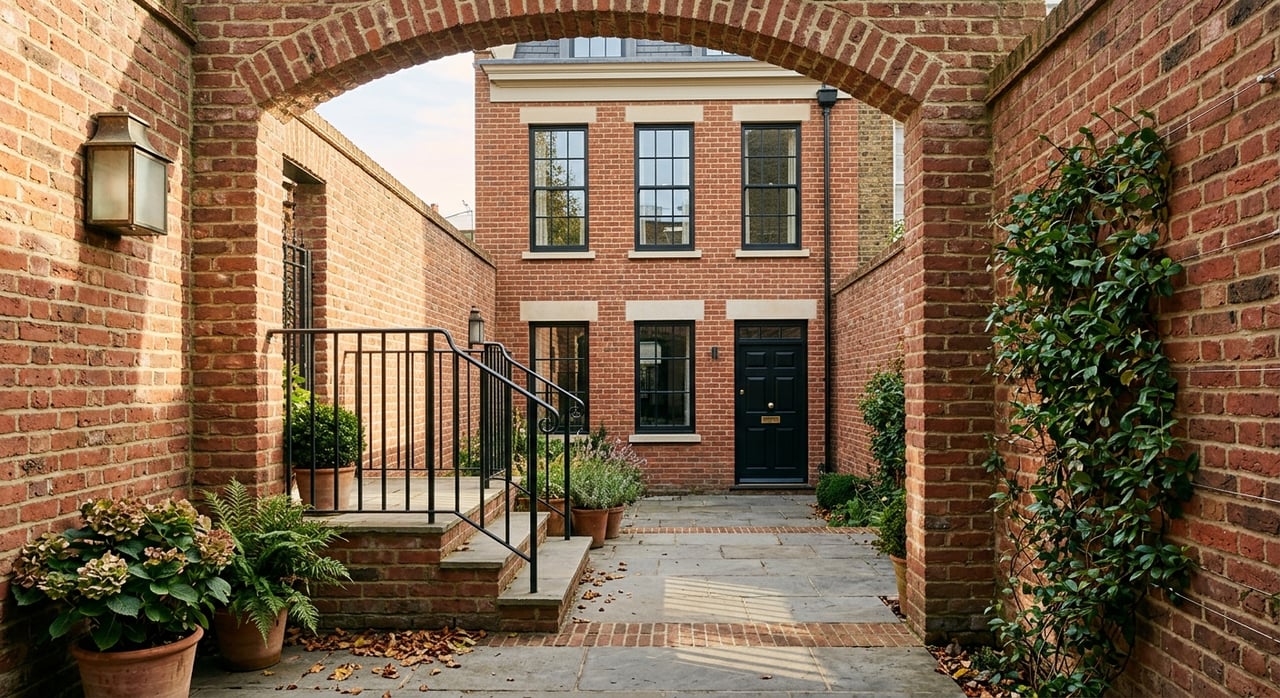
You can walk down a Georgetown street and feel the difference before you ever step inside a home. In this part of Washington, luxury is rarely just about size. It is often about proportion, craftsmanship, light, and the way a house balances a preserved historic street presence with more private living spaces behind it. If you are buying or selling in Georgetown, understanding those architectural details can help you recognize value more clearly. Let’s dive in.
Georgetown luxury starts with context
Georgetown’s architectural identity is unusually deep and well protected. The Georgetown Historic District was created in 1950 as the first historic district in Washington, and it later became a National Historic Landmark. According to the D.C. Office of Planning, the district remains a remarkably intact historic town with about 4,000 primary buildings and a broad mix of architectural styles.
That mix is part of what makes Georgetown luxury feel distinct. North of M Street, the residential neighborhood includes homes dating to the 18th century, from modest row houses to large estates. In practical terms, that means luxury in Georgetown is often defined by architectural pedigree, lot setting, and landscape depth, not just interior square footage.
Federal details that signal quiet prestige
Many of Georgetown’s most admired homes draw from the Federal tradition. These houses tend to project restraint from the street, which is part of their appeal. Rather than relying on heavy ornament, they communicate quality through balance and proportion.
Symmetry and massing
The National Park Service describes Federal architecture as emphasizing symmetry in windows, chimneys, doors, porches, and balustrades. These homes often have square or rectangular massing and hipped roofs. The result is a composed exterior that feels formal without being showy.
For a buyer, this matters because symmetry often shapes how a home feels inside as well. Even before a renovation, a well-composed structure can support elegant room flow and a sense of order that holds long-term appeal.
Refined entrances
In Federal houses, the entrance usually carries the most decorative detail. Dumbarton House highlights signature features such as a semicircular fanlight and a central block with smaller side wings. That kind of entry sequence gives the facade a focal point while keeping the overall exterior restrained.
In Georgetown, these details still matter because they are among the first things you and future buyers notice. A finely detailed front door surround or fanlight can make a historic home feel elevated without changing its basic scale.
Street-to-garden planning
One of the most important luxury clues in a Federal Georgetown home is not always obvious from the curb. Dumbarton House describes symmetrical rooms facing both the street and the garden. Tudor Place further shows how a formal street presence can open to floor-to-ceiling windows and expansive lawn-facing rooms.
That relationship between front formality and rear openness helps explain why some Georgetown homes feel much larger and brighter inside than they appear from the street. If you are evaluating value, it is smart to look beyond the facade and study how the house connects to its rear garden or outdoor rooms.
Victorian details that add richness
Georgetown is not defined by one style alone. The neighborhood also includes a strong late-19th-century layer, with Italianate, Queen Anne, Romanesque, and other Victorian-era forms. These homes often read as more expressive and textured than their Federal counterparts.
Italianate verticality
The National Park Service describes Italianate architecture as vertically oriented, often with low overhanging roofs, decorative eave brackets, thick window hoods, and narrow windows. Some examples may also include projecting porches, towers, or cupolas.
These details can make a Georgetown townhouse feel more visually substantial, even on a compact footprint. For sellers, well-preserved Italianate features can strengthen a home’s presentation because they add depth and character to the exterior.
Queen Anne texture
Queen Anne houses tend to be more asymmetrical and varied. The D.C. Office of Planning notes features such as mixed exterior materials, intersecting gables, dormers or turrets, multi-pane or stained-glass windows, spindlework, and wraparound porches. Inside, the plan often flows around a central staircase.
This style brings a different kind of luxury. Instead of strict symmetry, it offers visual movement and layered detail. Buyers who respond to craftsmanship and individuality often gravitate toward these homes because they feel less boxy and more expressive.
Windows, rooflines, and facade discipline
In Georgetown, luxury is closely tied to exterior integrity. The National Park Service identifies windows, rooflines, fenestration, and massing as character-defining elements of a building’s architectural significance. In a neighborhood where the street view matters so much, these details are not minor.
Why windows matter so much
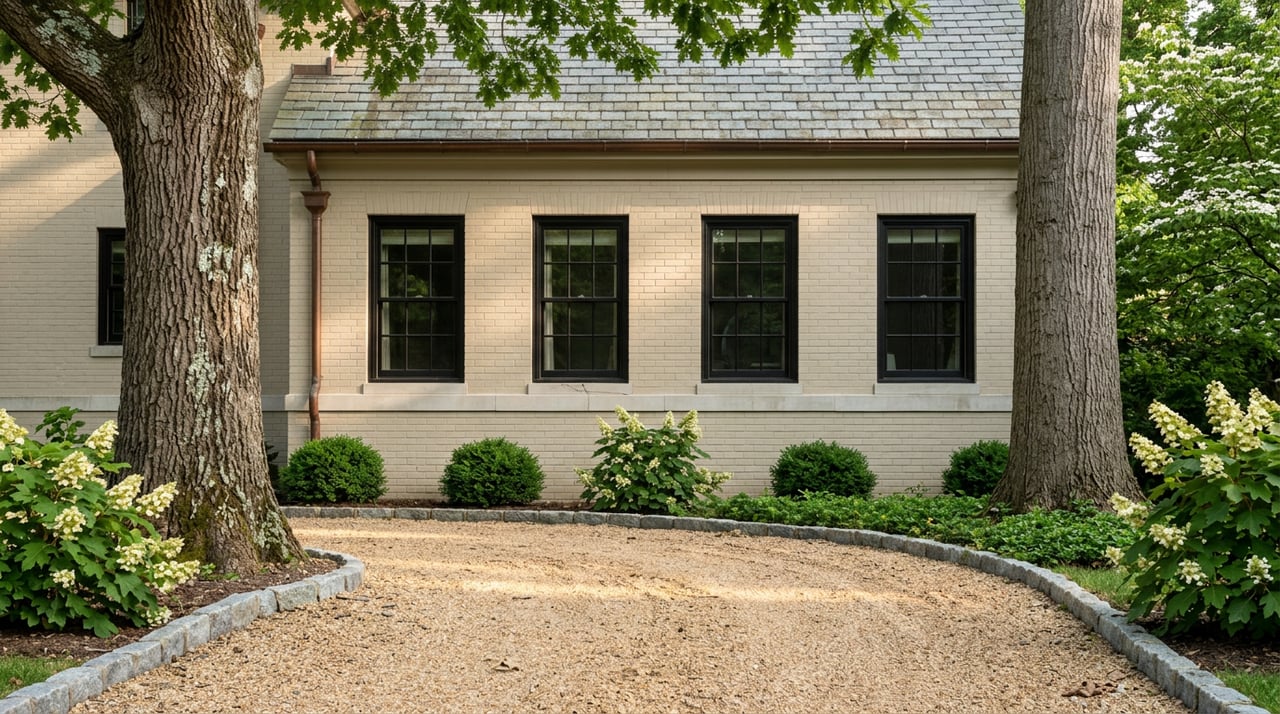
Windows do more than bring in light. They shape the rhythm of a facade and influence how historic a home feels from the street. In Georgetown, a well-scaled and appropriately detailed window pattern often says more about a property’s quality than a long list of finishes.
For buyers, this means it is worth paying attention to whether the facade feels cohesive. For sellers, original or well-considered exterior detailing can support stronger positioning because it reinforces authenticity.
Rooflines and silhouette
Rooflines are another major part of a home’s identity. Whether the form is a hipped Federal roof or a more animated Victorian roofline, the silhouette contributes to how a property reads in the streetscape. In Georgetown, that architectural outline is part of the home’s value story.
Because these visible features matter so much, changes to them are not purely cosmetic decisions. They can affect how easily a property fits within preservation standards and how buyers perceive its long-term integrity.
Where modern luxury usually lives
One of the most useful things to understand about Georgetown is this: the most important luxury features are often behind the front facade. The preservation framework places close attention on visible exterior changes, which shapes how homes evolve over time.
Rear additions and hidden upgrades
According to D.C. guidance for Georgetown, minor work not visible from public space is typically handled by the Historic Preservation Office. That can include roof replacements not visible from the ground and minor rear alterations not visible from an alley. More substantial changes, such as front and side additions, major rear additions, roof additions visible from a street, and major changes to front windows or doors, require additional review.
This is why so many sophisticated Georgetown renovations focus on the rear of the home and the interior envelope. Updated kitchens, improved circulation, discreet additions, and better garden connections often deliver the greatest lifestyle impact while preserving the historic street face.
Gardens as true living space
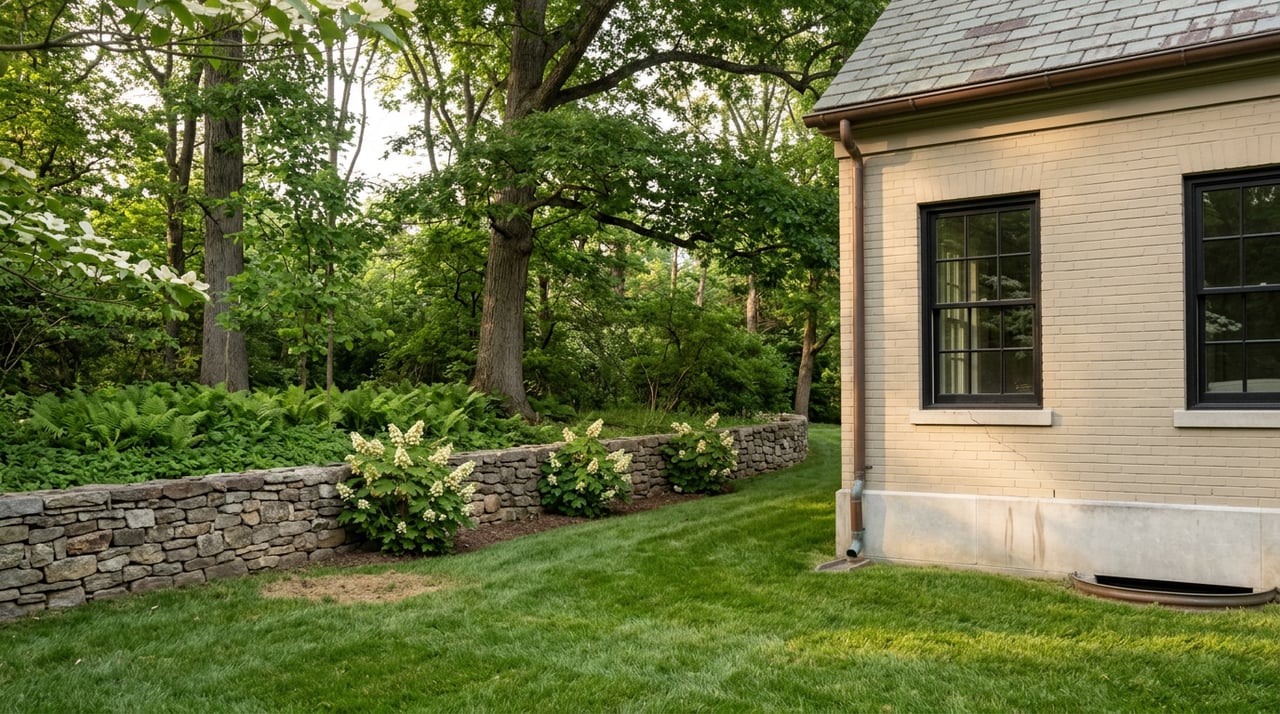
In Georgetown, outdoor space can be a defining luxury feature. Landmark properties such as Tudor Place and Dumbarton House show how important garden orientation has long been in the neighborhood. Even on a smaller scale, a well-composed rear garden can add a sense of privacy, depth, and calm that is hard to replicate elsewhere in the city.
For buyers, that means looking at the lot as carefully as the floor plan. For sellers, a strong garden setting can be a major differentiator because it expands how the home lives day to day.
What buyers should notice
If you are shopping for a Georgetown luxury home, it helps to evaluate the property in layers. Some of the best opportunities are homes where the architectural bones are strong and the modernization has been handled thoughtfully.
Look closely at:
- Facade composition, including symmetry, massing, and window placement
- Entry details, such as fanlights, surrounds, and door proportion
- Interior light, especially in rooms facing the rear garden
- Rear expansion potential, if changes are not already in place
- Garden depth and privacy, which can influence daily livability
- Architectural consistency, so updates feel integrated rather than forced
A design-led evaluation matters here. In Georgetown, two homes with similar square footage can offer very different long-term value depending on how well architecture, light, and outdoor space work together.
What sellers should highlight
If you are preparing to sell, your home’s architectural story should be clear from the start. Buyers in this segment often respond to thoughtful details more than generic luxury language. They want to understand what makes the house specific to Georgetown.
That may include:
- Federal symmetry and formal proportions
- Victorian ornament and texture
- Preserved windows, rooflines, or facade features
- Garden-facing rooms and natural light
- Discreet rear improvements that support modern living
- A layout that respects the original architecture while improving flow
This is where presentation and strategy matter. A home with historic integrity and smart updates often benefits from careful positioning, especially in a market where private opportunities and design-conscious buyers can play a major role.
Why Georgetown demands a strategic lens
Georgetown luxury homes sit at the intersection of architecture, preservation, and lifestyle. That makes the buying and selling process more layered than it may appear at first glance. A beautiful house is only part of the equation. You also need to understand how historic character, visible exterior features, and renovation pathways affect value.
That is why experience with historic homes and design matters so much in this market. When you know what details truly define a Georgetown property, you can make smarter decisions about pricing, positioning, improvements, and timing.
If you are considering a purchase or preparing to sell in Georgetown, Donna Leanos brings a design-informed, strategic approach to historic and luxury properties across the Washington market.
FAQs
What architectural styles define Georgetown luxury homes?
- Georgetown luxury homes are often defined by Federal, Greek Revival, Italianate, Queen Anne, Romanesque, and Classical Revival architecture, with Federal symmetry and Victorian ornament standing out as key visual themes.
What makes a Federal-style Georgetown home feel luxurious?
- A Federal-style Georgetown home often feels luxurious because of its balanced proportions, refined entry details, symmetrical room layout, and strong connection between formal street-facing rooms and rear garden spaces.
Why are rear gardens important in Georgetown luxury real estate?
- Rear gardens matter in Georgetown because they add privacy, landscape depth, and usable outdoor living space, which can significantly shape how a historic home lives beyond its street-facing facade.
What exterior features matter most in Georgetown historic homes?
- Windows, rooflines, massing, facade composition, and other visible architectural details matter most because they are character-defining features within Georgetown’s preservation framework.
How do Georgetown preservation rules affect luxury renovations?
- Georgetown preservation rules often make front-facing and highly visible exterior changes more complex, which is why many luxury updates focus on interiors, rear additions, and improvements that are less visible from public space.
What should buyers look for in a Georgetown luxury home?
- Buyers should look for strong architectural bones, natural light, cohesive exterior details, garden connection, and updates that support modern living while respecting the home’s historic character.