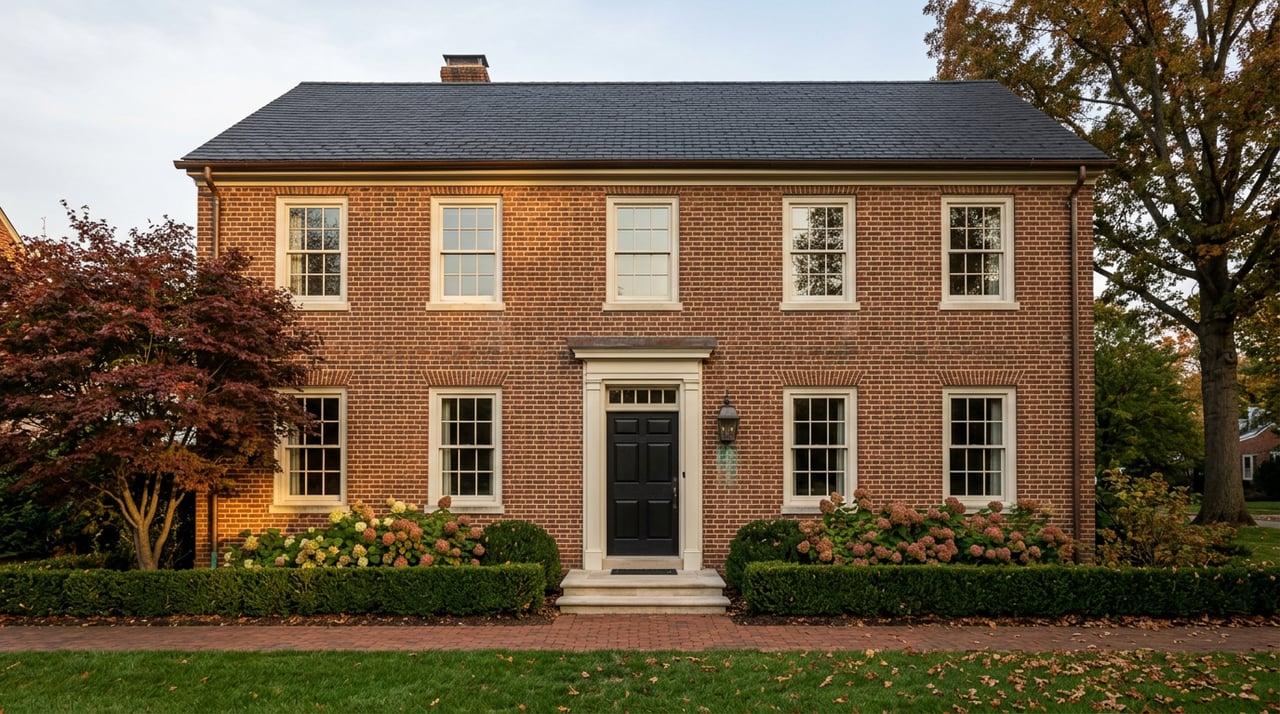
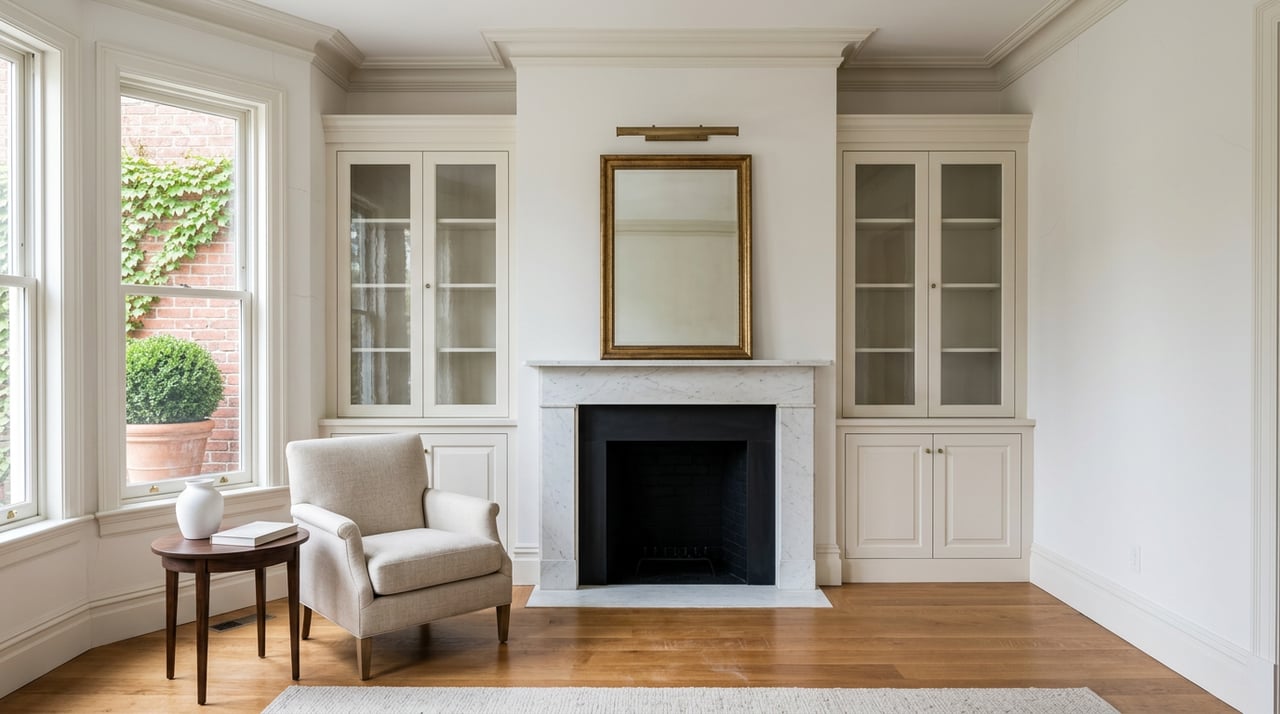
If you own a historic home in Georgetown, you know every cornice, brick course, and window tells a story. You also know that selling here is different. Buyers expect beauty and authenticity, and the District expects compliance. This guide gives you a clear plan to bring your Georgetown property to market with confidence, from permits and disclosures to staging, pricing, and launch strategy. Let’s dive in.
What makes Georgetown different
Georgetown is a National Historic Landmark district, and exterior changes visible from public ways often require special review beyond standard city permits. You will see both the Old Georgetown Board under the U.S. Commission of Fine Arts and DC’s Historic Preservation Office involved. Knowing this ahead of time helps you anticipate buyer questions and avoid delays. Review the district’s context and rules through the city’s overview of the Georgetown Historic District and its permits and design review process.
For any visible exterior work, proposals typically go to the Old Georgetown Board for advisory review. Coordinating early with OGB and HPO staff can shorten your permitting window and reduce risk. You can read about the Old Georgetown process on the CFA’s project review page.
Why this matters when you sell: the exterior features buyers see in photos — rooflines, windows, stoops, terraces, fencing — may be legally constrained. Your listing should make clear what is original, what was restored with approvals, and whether recent work has permits and sign-offs. Transparency here builds trust.
Due diligence and documentation to assemble
Strong preparation reduces buyer friction and supports your price. Compile these items before you list and package them as a “Home History & Improvements” PDF that your agent can share with qualified buyers.
- DC seller disclosure. Most 1–4 unit transfers require a Residential Real Property Seller Disclosure delivered before or at contract execution. See the District’s rules in the DC Code.
- Lead-based paint. If your home was built before 1978, federal law requires the EPA/HUD lead warning statement, the EPA pamphlet “Protect Your Family from Lead in Your Home,” disclosure of known lead information, and an opportunity for a 10-day inspection unless waived. Review the federal requirements from the EPA.
- Permits and approvals. Gather building permits, final inspections, OGB or HPRB approvals, and any documentation for exterior changes like window replacements, dormers, rear additions, or façade work. These show due care and reduce underwriter and buyer concerns. See DC’s permits and design review overview for context.
- Project records and receipts. Include contractor invoices, drawings, service logs, and replacement dates for major systems like the roof, HVAC, electrical, and sewer lateral. Buyers of older properties focus heavily on maintenance.
- Historic documentation. Photographs over time, any research or designation documents, and narratives of restorations. These become marketing assets for the right buyers.
- Pre-listing inspection. A seller-paid inspection can surface issues early so you can repair or disclose with confidence. It often reduces surprises and speeds negotiations. Learn the typical scope and benefits of a pre-listing inspection from Inspection Support.
Strategic pre-market work that pays
Your goal is to reduce uncertainty while celebrating period character. Prioritize in this order.
1) Safety and major systems
Start with the electrical panel and wiring, heating system, plumbing, and the roof. Many buyers will price risk into their offers if these systems look dated or neglected. A pre-listing inspection helps you decide what to fix now versus disclose and price around. You can review benefits of this step with Inspection Support.
2) Moisture, foundation, and drainage
Water in basements and lower levels is a common concern in older Georgetown rowhouses. If you have evidence of infiltration, address it before listing or be prepared to offer a credit. Buyers often flag this quickly, and a clean bill of health here builds confidence.
3) Kitchens and primary baths
Updated, functional kitchens and primary baths tend to deliver strong visual impact in photos and showings. You do not need a full overhaul to impress. Neutral finishes, modern lighting, fresh paint, and quality appliances can honor the home’s architecture while meeting current expectations.
4) Windows and exterior features
Because Georgetown’s exterior changes trigger review when visible from public ways, consult HPO and OGB early before you tackle windows, dormers, terraces, or fences. In many cases, repair or restoration of existing sashes is favored. If replacements are necessary, select historically appropriate products and keep your approvals and permits on file. For process guidance, see DC’s permits and design review and the CFA’s Old Georgetown page.
5) Lighting, paint, and thoughtful staging
Fresh neutral paint, tuned lighting, and light cosmetic touch-ups make period details like mantels and moldings read clearly in photos. Staging helps buyers visualize daily life without distracting from historic character. The National Association of Realtors reports that staging commonly shortens days on market and that many listing agents see a measurable lift in offers; see highlights in NAR’s 2025 home staging report summary.
Pricing, staging, and marketing for Georgetown’s buyer pool
The Georgetown buyer pool is diverse. You will see local downsizers, investor-buyers who value turnkey condition, and domestic and international purchasers drawn to architecture, walkability, and prestige. At the top end, some transactions are handled discreetly or off-market. Washingtonian recently profiled how confidentiality and private networks shape luxury deals in DC; it is a useful window into buyer behavior at this level. Read the context in Washingtonian’s look at luxury real estate’s private side.
When it comes to price, comparable sales require care. Condition and authenticity matter as much as bedroom count. Appraisals for distinctive historic homes can take more time and often require adjustments when like-kind comps are sparse. Work with an agent who knows Georgetown’s micro-markets, from East Village to West Georgetown and Burleith, and document your restoration investments and approvals to support value.
For marketing, combine mainstream channels with targeted outreach to buyers who specifically value historic authenticity. Use professional photography, floor plans, and a short film or 3D tour for out-of-area buyers. Include your Home History & Improvements packet and approvals documentation in the digital brochure. This supports underwriting and reduces negotiation friction.
Disclosures, risks, and incentives to know
- District seller disclosure. Deliver the DC Residential Real Property Seller Disclosure before or at contract to avoid a buyer’s right to rescind. See the DC Code.
- Lead paint. For pre-1978 homes, provide the EPA/HUD pamphlet and Lead Warning Statement, disclose known information, and offer an inspection window unless waived. Review the rules via the EPA.
- Old Georgetown review. Exterior changes visible from public streets and alleys typically require OGB/CFA review and HPO coordination. Non-compliance can delay closings or unsettle buyers. Read the Old Georgetown process.
- Preservation easements or covenants. If your property has one, disclose it and clarify what is protected. Some buyers view an easement as a value-preserving feature when it protects a noteworthy façade.
- Tax incentives. The 20% Federal Historic Rehabilitation Tax Credit applies to certified rehabilitations of income-producing historic buildings that meet federal standards. It typically does not apply to owner-occupied single-family homes. See the National Park Service’s annual program report. Local programs can change; check the DC Office of Tax and Revenue for current real property tax reliefs and credits and confirm eligibility with HPO.
Real-world price context in Georgetown
Recent public sales show a wide ladder. Smaller townhomes commonly trade in the low-to-mid seven figures depending on location and condition, while larger, fully restored houses can reach significantly higher. For reference, a restored 19th-century rowhouse on 31st Street NW sold in June 2025 for about $2.925 million. Other architecturally significant properties on 34th Street NW have traded around the mid-$4 million range, and a larger home on 28th Street NW closed near $5.4 million in a recent cycle. Townhomes in planned clusters have sold in the upper $1 million range depending on layout and finish level. Use current, hyper-local comparables and an agent’s CMA to calibrate price for your specific block and level of restoration.
Your step-by-step launch plan
Clarify scope and timing. Decide whether you will complete select repairs or price for condition. If you plan exterior adjustments, consult HPO/OGB early and secure approvals before listing.
Order a pre-listing inspection. Use the findings to handle safety and systems first, then moisture and roof items. Line up contractor bids so you can act quickly or provide credible estimates to buyers.
Assemble your Home History & Improvements packet. Include the DC seller disclosure, EPA lead materials (if applicable), permits and approvals, inspection report summary, system-replacement dates, service records, and historic documentation. Keep it digital and printable.
Refresh for presentation. Complete light cosmetic work: neutral paint, tuned lighting, repaired trim, deep cleaning of floors and stone. Stage the living room, kitchen, and primary suite. Book professional photography, floor plans, and a concise video walkthrough.
Set a pricing and release strategy. Use a Georgetown-savvy CMA with matched pairs for condition and authenticity. Decide whether to begin with quiet marketing to test price and collect feedback before full MLS exposure.
Launch with confidence. Lead with photography that captures architectural features and light. In remarks, be explicit about permitted elements, recent system updates, and stewardship. Make the approvals packet available upon request to qualified buyers.
Work with a design-led Georgetown advisor
Selling a historic home in Georgetown is equal parts compliance, craftsmanship, and presentation. You deserve a strategy that protects your value and shows the home at its best. My practice combines deep knowledge of OGB/HPRB process, a design-informed eye, and access to a private network that can surface qualified buyers who appreciate authenticity. If you are weighing repairs, timing, or whether to go to market quietly first, let’s discuss a custom sale plan and staging concept that fits your goals. Connect with Donna Leanos to get started.
FAQs
How does the Old Georgetown Board affect my sale?
- If you or a buyer plan visible exterior changes, OGB/CFA review with HPO coordination is typically required; having prior approvals and permits ready reduces buyer and underwriting concerns.
What documents should I have ready before I list in Georgetown?
- Prepare the DC seller disclosure, EPA lead materials if pre-1978, permits and approvals, inspection summaries, system service records, and a concise history of improvements.
Should I do a pre-listing inspection on a historic home?
- Yes; it helps you address safety and systems first, price with confidence, and avoid last-minute negotiations that can slow or derail a contract.
How should I handle windows and other exterior features before listing?
- Consult HPO and OGB early; repair or restore where feasible, pursue historically sensitive replacements only when needed, and keep documentation to share with buyers.
Does staging really help with historic properties in Georgetown?
- Staging that highlights period details while showing modern livability often shortens days on market and can lift offers, according to NAR’s latest staging insights.
Can I use historic tax credits for updates before a sale?
- The federal 20% historic rehabilitation credit generally applies to income-producing properties, not owner-occupied single-family homes; always confirm current local incentives and eligibility.