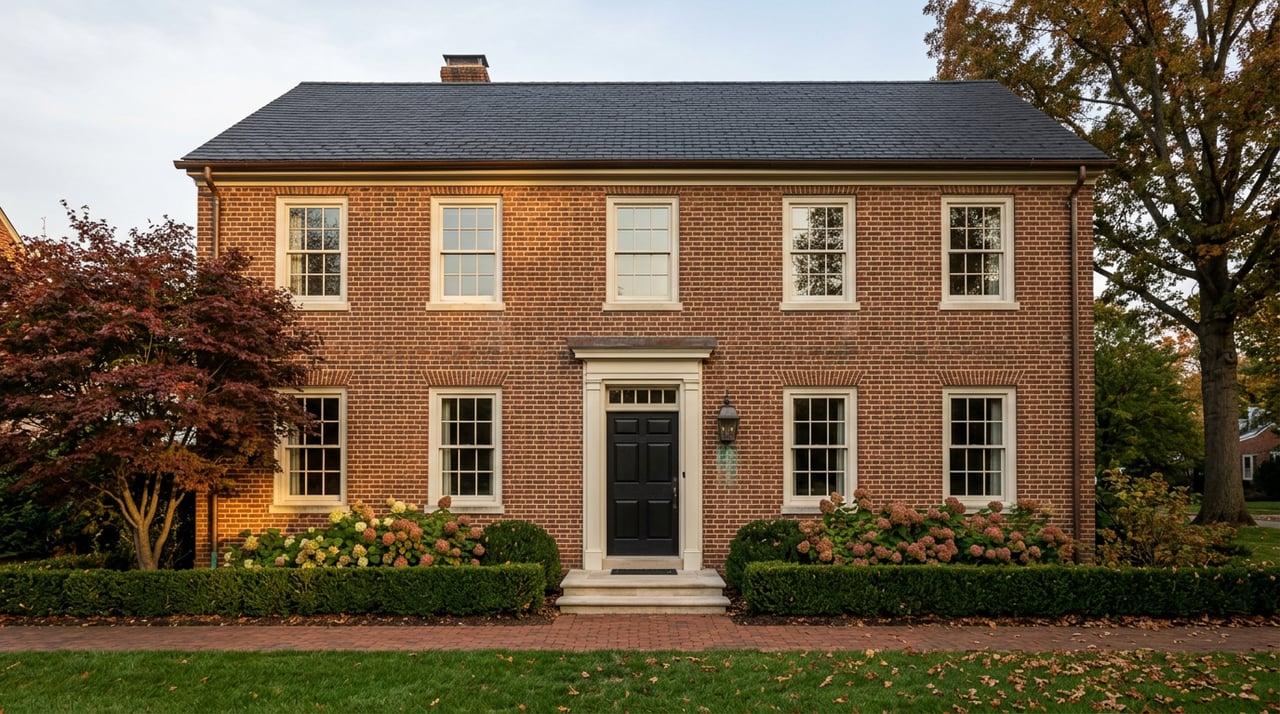
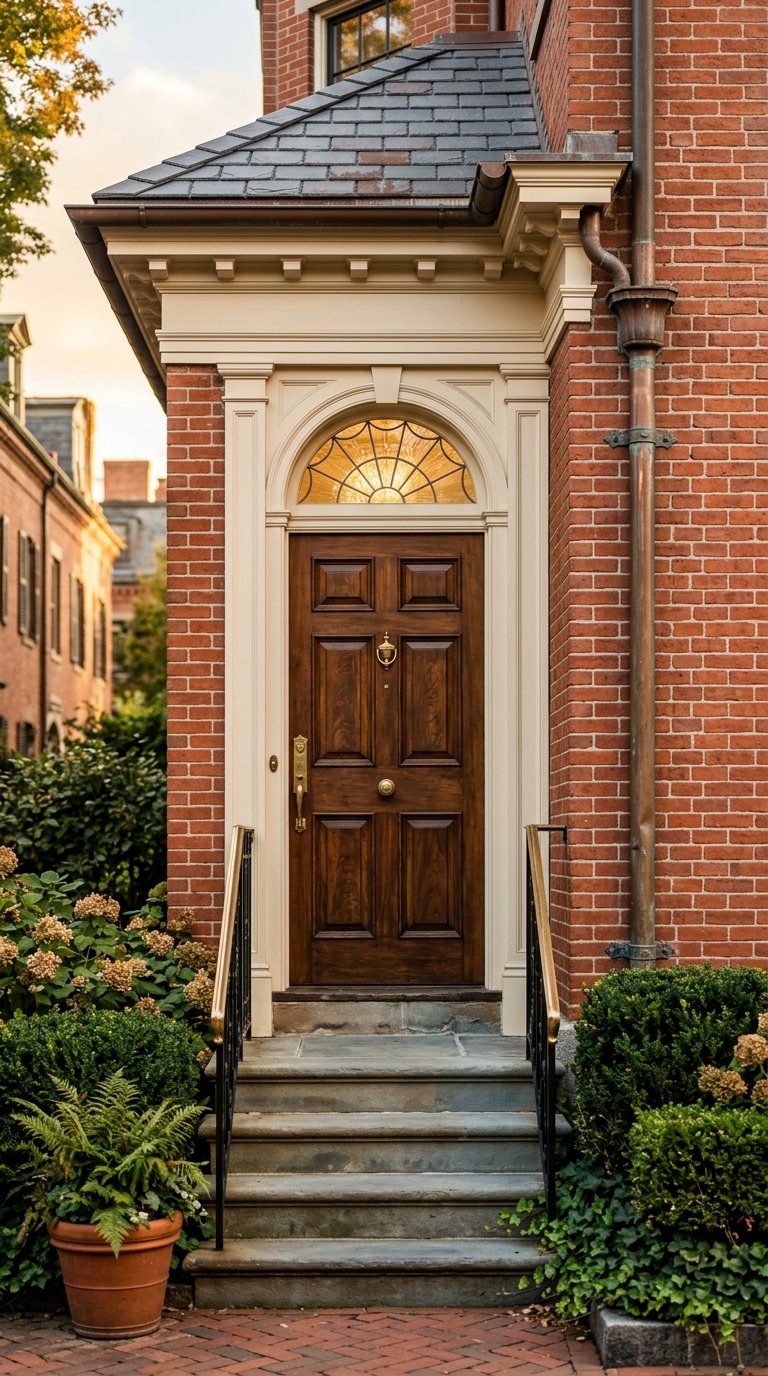
Buying a historic home in Georgetown can feel like falling in love with a beautiful idea and a complex project at the same time. You may be drawn to the architecture, the scale, the patina, and the sense of place, but you also need to understand what can be changed, what should be preserved, and how design decisions affect both livability and approvals. If you want to buy with clear eyes and a strong plan, this guide will help you think through the process before you commit. Let’s dive in.
Why Georgetown Requires a Design Strategy
Georgetown is not just an older neighborhood with attractive homes. It is a formally designated historic district, created in 1950 as Washington’s first historic district and recognized as a National Historic Landmark, with a period of significance from 1765 to 1950.
That matters because when you buy here, you are not simply evaluating square footage and finishes. You are buying into a context where the exterior appearance of a property, especially what is visible from a public street or alley, may be subject to specific review standards.
For a design-minded buyer, that is not a drawback. It is a signal to approach the purchase with more intention, better due diligence, and the right team from the start.
Understand Georgetown Review Before You Buy
In Georgetown, review authority is split. The Commission of Fine Arts and the Old Georgetown Board generally handle construction visible from a public street or alley, while the Historic Preservation Review Board and Historic Preservation Office handle other exterior work that is not visible from public space.
This distinction is important because two homes may look similar on paper but have very different renovation paths based on visibility, scope, and the nature of the work. If your vision includes exterior changes, your offer strategy and renovation budget should reflect that reality early.
What usually triggers more review
According to DC guidance, major work such as front and side additions, large rear additions, front alterations, roof decks visible from a street, major changes to window or door openings, and new curb cuts requires HPRB review.
If you are considering a house because you see expansion potential, confirm that your design goals line up with what is typically reviewable and supportable in Georgetown. The right property is not always the one with the largest theoretical build-out. It is often the one whose existing architecture gives you the best framework to work with.
What may be simpler to handle
Some minor work that is not visible from public space may be reviewed at the staff level by HPO. This can include roofs not visible from the ground, minor rear alterations not visible from an alley, underground work like waterproofing and utility lines, and masonry repointing.
That does not mean these projects are automatic. It does mean that visibility and scope can shape how difficult the approval path may be, which is useful to understand when comparing one property to another.
Inspect the House Like a Future Steward
A historic home inspection should go beyond the standard checklist mindset. Before you buy, a professional inspection is essential, and key areas to examine include the roof, chimney, interior and exterior walls, porches, windows and doors, foundation, fireplaces, attics, basements, bathrooms, and major systems such as heating, hot water, and electricity.
In Georgetown, that list matters even more because original materials and older systems often carry both design value and project risk. A home may be charming on first impression, but the true cost of ownership often lives in deferred maintenance, hidden moisture, and outdated infrastructure.
Moisture should be a top concern
Moisture is one of the biggest risks in older buildings. The National Park Service recommends a systematic diagnosis that looks at ground moisture, rain runoff, ventilation, and the actual source of the problem before deciding on repairs.
For buyers, this means you should pay close attention to basements, foundations, masonry, rooflines, and transitions where water may be entering or lingering. If the cause is not clear, it is wise to involve specialists early rather than assume a cosmetic fix will solve a structural or preservation issue.
Systems can reshape the budget fast
Mechanical, electrical, and fire-suppression systems deserve early planning in any serious Georgetown purchase analysis. The National Park Service notes that these systems can take up as much as 10 percent of a building’s square footage and 30 percent to 40 percent of a rehabilitation budget.
That has two implications for a design-focused buyer. First, systems work is not just a behind-the-walls issue. It can affect layout, ceiling conditions, storage, and historic finishes. Second, if these upgrades are handled poorly, they can damage original materials and alter the character that made you want the house in the first place.
Focus on the Features That Define Character
Not every old element carries the same design weight. In Georgetown, certain features are especially important because they shape the house’s architectural identity and often influence what can or should be preserved.
If you are buying with renovation in mind, these are the areas to study carefully before you make assumptions about replacement, expansion, or modernization.
Windows deserve special attention
Windows are considered a character-defining feature in Georgetown. Old Georgetown Board guidance states that windows installed before 1950 should be restored where possible, and if replacement is necessary, the result should be stylistically compatible.
For public-facing elevations, wood, single-glazed, true-divided-light windows are generally expected. In situations where insulated glazing is not appropriate, interior storm windows or energy panels may be acceptable.
This is one of the clearest examples of why design intent must be paired with preservation knowledge. If your budget assumes full window replacement with a modern product, you may need to rethink both costs and approach.
Additions should stay subordinate
If you are buying a Georgetown property because you hope to add more space, scale matters. Old Georgetown Board policy says new work should remain subordinate to the historic building and should not approach doubling the size of the existing structure.
The board also discourages roof additions visible from the street, extensive underground additions, and new curb cuts or additional paved parking areas in front yards. New exterior materials should be compatible, and connections to the historic building should preserve as much historic fabric as possible.
For a buyer, this means the best design outcome is usually not the loudest one. In Georgetown, the most successful renovations often feel restrained, well-proportioned, and respectful of the original structure.
Make Energy Improvements Selectively
Many buyers want better comfort and efficiency, which is reasonable. In a historic home, though, energy upgrades should be selective rather than broad and overly aggressive.
The National Park Service advises that attic and basement insulation are often the best places to start. By contrast, blown-in wall insulation can trap moisture and cause hidden deterioration, while historic windows and doors can often be repaired or upgraded to improve efficiency.
This is a useful reminder that a smart renovation does not always mean replacing old materials. Sometimes the better design decision is to improve performance while keeping the original elements that give the house depth and authenticity.
Build Your Approval Process Into the Deal
If exterior changes are part of your plan, do not treat approvals as an afterthought. In Georgetown, concept review and formal submissions require time, documentation, and a design package that clearly explains the proposed work.
For concept review, DC expects photographs, adjacent-context photos, a site plan, existing-condition plans, floor plans, sections, elevations, roof alterations, and the location and size of exterior mechanical equipment. If plans are revised, a final electronic set must be submitted 21 days before the scheduled meeting.
That level of preparation should shape how you underwrite the purchase. Your budget, timeline, and expectations should account for design development and review, not just construction.
Choose Specialists Who Know Historic Work
A Georgetown renovation is rarely the place for a generic approach. Old Georgetown Board guidance specifically recommends qualified restoration specialists for historic windows, especially professionals experienced with historic glass and mortise-and-tenon joinery.
That same logic applies more broadly. If you are buying a historic house with design goals in mind, your team should understand preservation standards, older materials, moisture behavior, and how to modernize systems without harming architectural character.
This is where strategic representation can matter. A buyer who combines property search, deal analysis, and renovation planning from the beginning is often in a stronger position than someone who tries to solve each issue after closing.
What a Smart Georgetown Purchase Looks Like
The strongest Georgetown purchases usually start with a balanced mindset. You want a house with beauty and potential, but you also want a realistic path to executing your vision.
In practice, that means looking closely at windows, masonry, rooflines, moisture control, site conditions, and systems before you get distracted by decorative finishes. It also means understanding that thoughtful modernization is absolutely possible here, but it works best when preservation and design are treated as partners, not opposites.
If you are considering a historic Georgetown home, the goal is not to erase the past. It is to buy a property whose character can support the way you want to live, then improve it with discipline, clarity, and respect for what makes it special.
If you want a design-forward strategy for buying and evaluating historic property in Georgetown, Donna Leanos can help you assess opportunities, navigate complexity, and plan with both architecture and long-term value in mind.
FAQs
What should you inspect before buying a historic Georgetown home?
- You should arrange a professional inspection that closely reviews the roof, chimney, walls, porches, windows, doors, foundation, fireplaces, attics, basements, bathrooms, and major systems such as heating, hot water, and electricity.
What exterior work in Georgetown may need formal historic review?
- Major exterior work such as front and side additions, large rear additions, front alterations, visible roof decks, major changes to window or door openings, and new curb cuts generally requires review under Georgetown’s historic preservation process.
Why are windows so important in a Georgetown historic home?
- Windows are considered character-defining features, and guidance for Georgetown says pre-1950 windows should be restored where possible, with compatible replacements used only when necessary.
How should you approach energy upgrades in a Georgetown historic property?
- A selective approach is usually best, with attic and basement insulation often being stronger starting points, while broad wall insulation strategies may create moisture problems in older construction.
Who reviews renovation work on a Georgetown historic house?
- Work visible from a public street or alley is generally reviewed by the Commission of Fine Arts and Old Georgetown Board, while other exterior work not visible from public space is typically handled by the Historic Preservation Review Board and Historic Preservation Office.