Thinking about opening up a kitchen, adding a primary suite, or reworking a basement in Chevy Chase, DC? In this neighborhood, renovation planning is about more than square footage. You are often working with early-20th-century homes whose character, scale, and street presence are part of what makes the area so appealing. If you want to modernize wisely, it helps to understand how design, approvals, and resale fit together before plans go too far. Let’s dive in.
Why Chevy Chase homes need careful planning
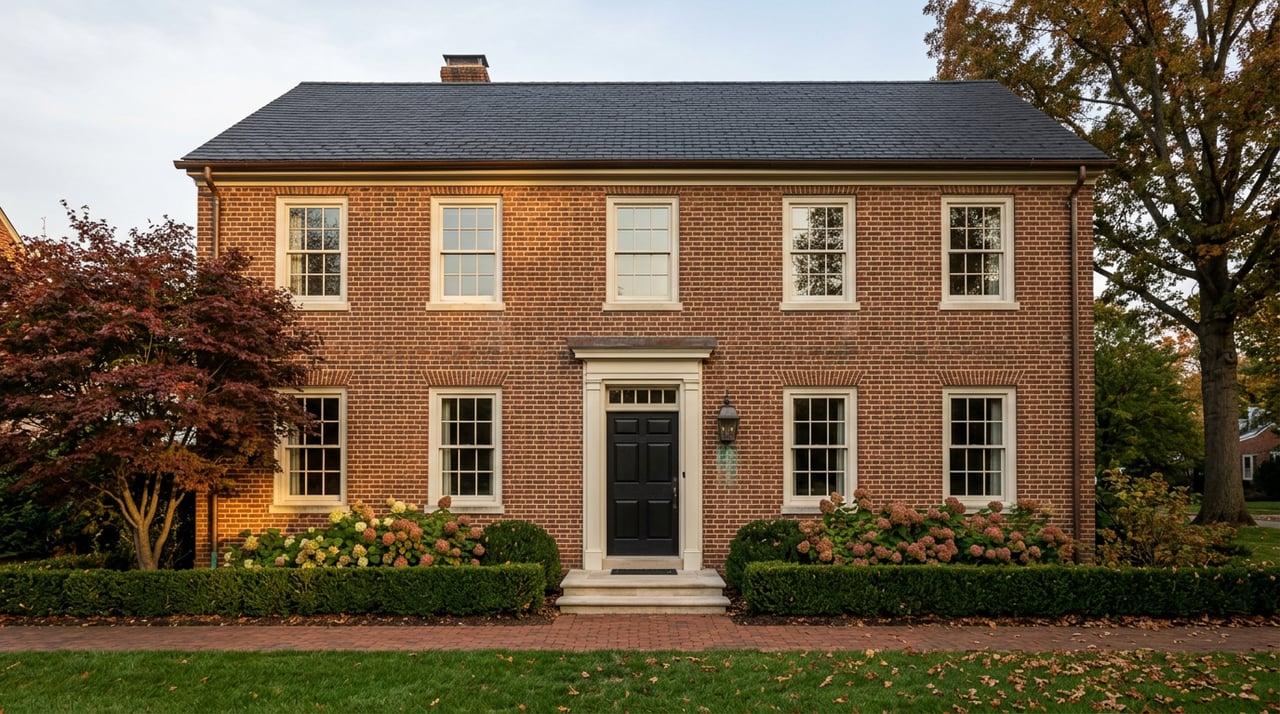
Chevy Chase, DC is known for classic residential architecture dating largely from the early to mid-20th century. Office of Planning materials tied to the pending Chevy Chase Historic District nomination identify a period of significance from 1906 to 1964, with homes that include Colonial Revival, Tudor Revival, Dutch Colonial Revival, Craftsman, and American Foursquare styles.
That architectural mix matters because these are not generic houses. Many homes from the 1920s were built as two- or two-and-a-half-story residences with balanced proportions, modest scale, and materials like brick, wood frame, weatherboard, or stucco. When you renovate, the best results usually come from treating the house as architecture worth understanding, not just space to expand.
Start with the house, not the wish list
It is natural to begin with what you want more of: a larger kitchen, better storage, another bath, or a more comfortable primary suite. But in a classic Chevy Chase home, the smarter first step is to study what the house already does well and what features define its exterior character.
District design guidance emphasizes compatibility with the original building and the surrounding context. In practice, that means looking closely at roof shape, proportion, materials, orientation, details, massing, and setback before deciding where new space should go.
Preserve the front-facing character
For many older homes in Chevy Chase, the front facade does a lot of the architectural work. It sets the rhythm of the street and gives the house its identity. That is one reason front additions usually should not be considered under District guidance.
If you change the front too aggressively, you can lose the very qualities that make the property feel distinctive. Even when a renovation adds useful square footage, it may feel less successful if it disrupts scale, symmetry, or key period details.
Think of additions as secondary
A useful rule of thumb is that any addition should read as subordinate to the original house. The existing home should still feel like the main event. New work should support it, not overpower it.
That is especially important in Chevy Chase, where many homes were designed as modestly scaled detached dwellings rather than oversized houses with deep lots. A thoughtful project usually respects that original intent while improving how the home lives today.
Rear additions are often the best fit
District guidance points to rear additions as the most workable option in many cases, as long as they remain compatible and do not remove character-defining features. For homeowners, that often makes rear expansion the most practical path to gaining usable space without disrupting the street-facing appearance.
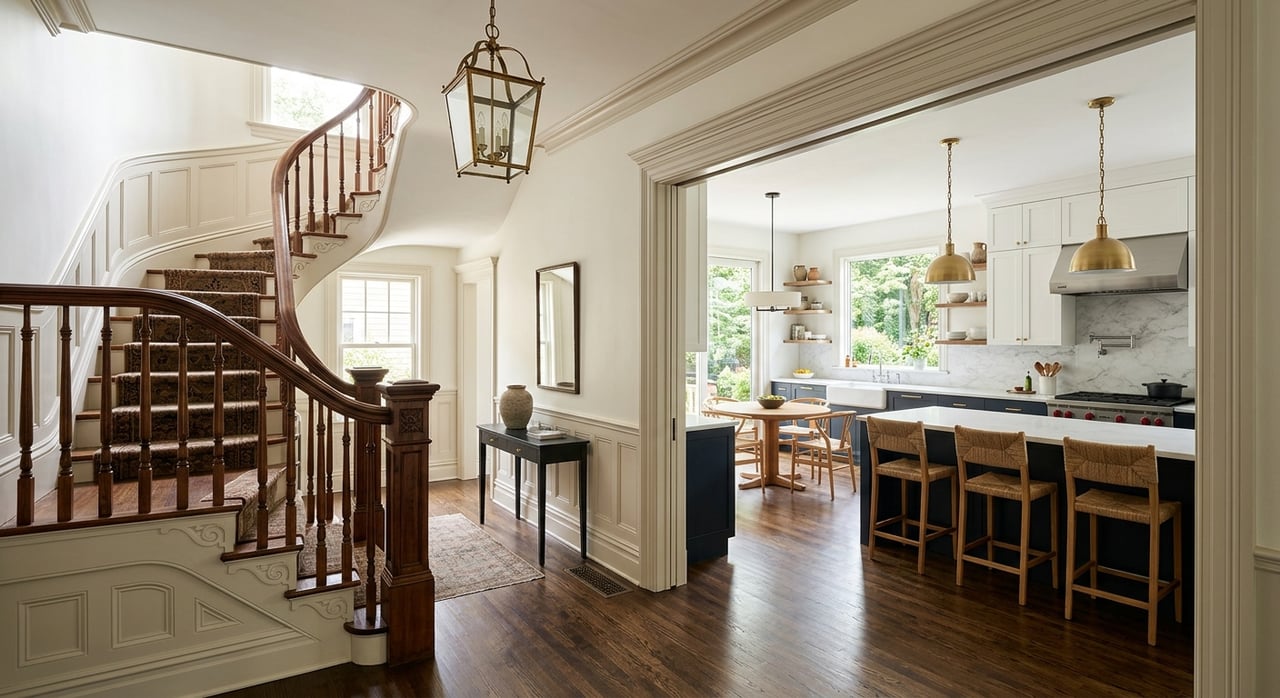
A rear addition can create room for a larger kitchen, family room connection, mudroom, or reconfigured upper-level suite. It can also help improve circulation, which is often one of the biggest issues in older floor plans.
Side additions need extra care
Side additions may also be possible, but they usually require more caution because they are often visible from the public way. That visibility can make scale, materials, roof form, and placement more sensitive.
If the side addition feels too prominent, it can shift the perceived balance of the house. In a neighborhood with a strong pattern of compatible forms, that visual impact matters.
Roof changes can be more visible than expected
Roof additions, visible roof decks, and major changes to dormers can draw greater scrutiny. Even if the added space seems efficient on paper, the exterior effect may be much more noticeable than homeowners expect.
That does not mean such changes are impossible. It means they should be evaluated early, with a clear understanding of how visible they are from the street and whether they alter the home’s original form too dramatically.
Renovation projects that tend to work well
In Chevy Chase’s classic homes, some renovation goals tend to align better with both livability and long-term appeal. The strongest projects usually improve function while preserving the house’s age, scale, and architectural character.
Common examples include:
- kitchen expansions that improve flow and storage
- primary-suite reconfigurations that create better daily use
- basement finishing that adds flexible living space
- rear additions that support modern layouts without dominating the original structure
These projects often succeed because they solve real lifestyle issues. They can make the home easier to live in while keeping the features that give it presence and personality.
Projects that may trigger more review
Some types of work are more likely to move beyond routine review. According to the District, projects that may go before the Historic Preservation Review Board include front and side additions, large rear additions, front porch enclosures, new front porches, roof additions or roof decks visible from a street, major changes to front windows or door openings, significant alteration or removal of important architectural features, and major site work.
Site work is easy to underestimate. New curb cuts, driveways, and parking pads can raise review and public-space coordination issues, which means exterior planning is not just about the house itself.
Interior work still needs planning
Homeowners sometimes assume interior-only work is simple because it is less visible. But interior alterations, including finished basements, still require Department of Buildings permits even when preservation review is not involved.
That is why it helps to think of your project as a full planning exercise, not just a design exercise. Scope, approvals, timeline, and sequencing all matter.
Understand the approval path early
In DC, most building and site construction requires a permit from the Department of Buildings. Work in public space may also require a permit from DDOT. If a property is historic, preservation review is part of the normal permit process rather than a separate preservation permit application.
The District encourages owners to contact the Historic Preservation Office early. That early guidance can be valuable because it helps shape the project before drawings are too advanced.
Many projects move through expedited review
There is good news here. The Office of Planning says that more than 95 percent of permit applications for preservation review are handled through the Historic Preservation Office’s expedited process.
That does not mean every project is simple. It does mean many smaller or less visible changes can move through a more streamlined path when they do not affect the character of the property in a major way.
Chevy Chase has an important nuance
For Chevy Chase specifically, there is a detail you should not overlook. The Office of Planning inventory lists the Chevy Chase Historic District as a pending district nomination, and the District states that properties in proposed historic districts are not protected by historic preservation law before the hearing on the nomination.
In practical terms, you should verify the status of your specific property before assuming preservation review applies. A parcel may be individually designated, located in another designated district, or only included in the pending Chevy Chase nomination.
How renovation choices can support resale
In a neighborhood like Chevy Chase, resale is often tied to balance. Buyers tend to respond to homes that feel easier to live in but still retain the scale and architectural identity that make the neighborhood distinctive.
That is why thoughtful renovation is not just about adding more. It is about improving function in a way that still feels appropriate to the house.
Function matters, but so does proportion
A larger kitchen, better bedroom layout, or more useful lower level can absolutely improve daily life and market appeal. But if the project overwhelms the original structure or strips away defining details, the result may feel less coherent.
The stronger strategy is usually selective improvement. Keep what gives the home character, then invest where layout and usability need the most help.
Build the right team before drawings are finished
Because DC renovations can involve zoning, building review, and preservation considerations at the same time, early coordination matters. District guidance supports reaching out early so owners can avoid redesign and keep projects aligned with both code and character.
That often means bringing in an architect, contractor, and preservation-aware advisor before plans are locked. In a market where architecture and presentation influence value, that early strategy can save time, reduce rework, and lead to a better finished product.
A smart approach for Chevy Chase homeowners
If you are planning renovations in Chevy Chase, DC, the best starting point is usually simple: understand the house, confirm the property’s status, and shape the project around compatibility rather than maximum bulk. That approach tends to protect both livability and long-term appeal.
Whether you are updating a home for your own use or thinking ahead to future resale, careful planning can make a meaningful difference. If you want strategic guidance on renovating, positioning, or evaluating a classic home in Chevy Chase, connect with Donna Leanos for a design-informed, market-savvy perspective.
FAQs
What types of homes are common in Chevy Chase, DC?
- Chevy Chase, DC includes many early-20th-century homes, with styles identified by the Office of Planning such as Colonial Revival, Tudor Revival, Dutch Colonial Revival, Craftsman, and American Foursquare.
Where should you add space to a classic Chevy Chase home?
- District design guidance generally treats rear additions as the most workable option when expansion is needed, as long as the addition remains compatible with the original house and does not remove important architectural features.
Do interior renovations in Chevy Chase, DC need permits?
- Yes. Interior alterations, including finished basements, still require permits from the Department of Buildings even when preservation review is not involved.
When does a Chevy Chase renovation face higher-level review?
- Projects such as front or side additions, large rear additions, visible roof additions or roof decks, front porch changes, major front window or door changes, and significant site work are more likely to be reviewed by the Historic Preservation Review Board.
Is every Chevy Chase, DC property already protected as part of a historic district?
- No. The Chevy Chase Historic District is listed as a pending nomination, and the District states that properties in proposed historic districts are not protected by preservation law before the hearing, so you should confirm the status of your specific parcel.
Why does design compatibility matter for resale in Chevy Chase?
- Thoughtful renovations often support resale when they improve daily function while preserving the age, scale, and architectural character that help make Chevy Chase homes distinctive.