Should you choose the privacy of a historic rowhouse, the convenience of a boutique condo, or the predictability of a co-op in Georgetown? When you are investing at the luxury level, each option shapes your daily life, renovation plans, and long-term value. You want clarity on space, fees, rules, and resale before you write an offer. This guide breaks down what matters, shows real Georgetown examples, and gives you a simple framework to choose with confidence. Let’s dive in.
Georgetown at a glance
Georgetown sits at the top of the D.C. market, with a neighborhood median sale price reported around $1.8 million as of January 2026 and average values in the mid-$1 millions in late 2025. Inventory is limited, and larger historic homes often take longer to sell because the buyer pool is smaller at this price tier. Much of central Georgetown is inside a federally recognized historic district, which means most exterior changes visible from public space require design review by the Old Georgetown Board under the Commission of Fine Arts. You should factor that review into timing and cost for any exterior project.
How ownership types differ
Rowhouses: fee-simple control and private space
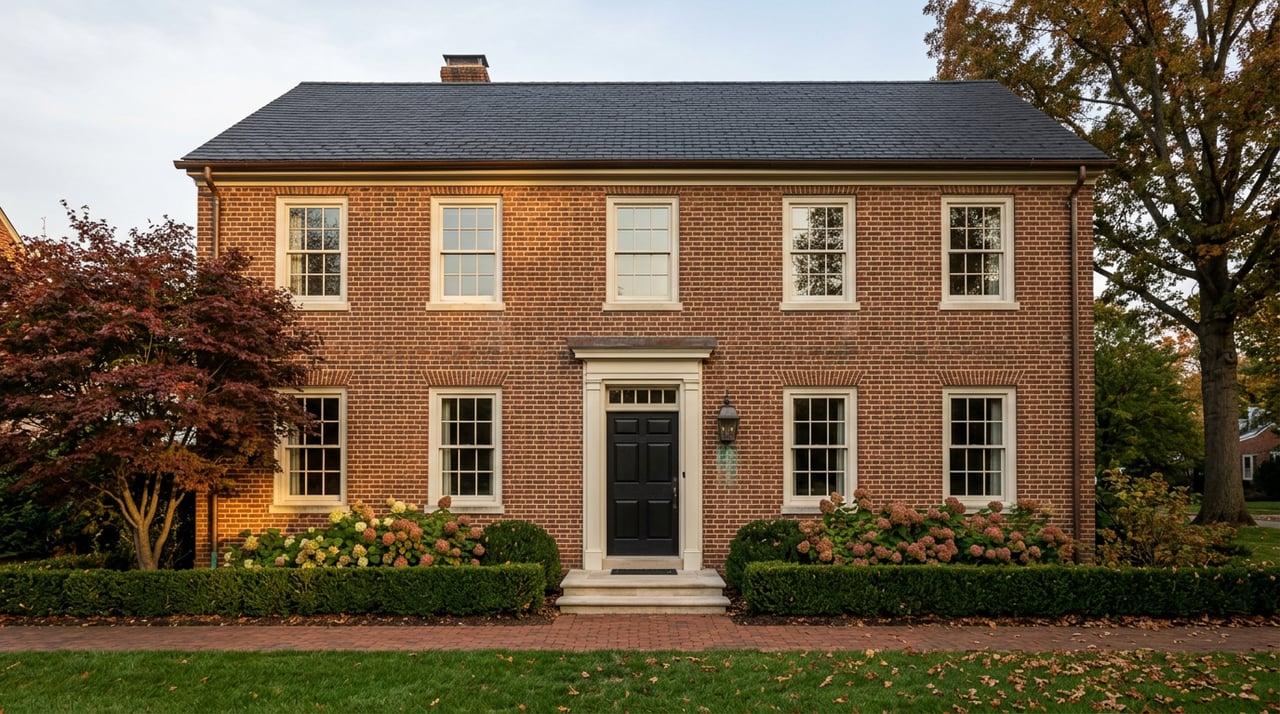
Rowhouses in Georgetown are typically fee-simple. You own the land and the building by deed, pay one property tax bill, and control both interior and exterior work, subject to historic review where applicable. This format delivers privacy, scale, and true outdoor living, but it also means you handle all maintenance and capital expenses. In the historic district, exterior work such as windows, rooflines, and fences requires Old Georgetown Board review; you can find process details on the Commission of Fine Arts site for Old Georgetown project review.
Recent sales illustrate the range. A classic East Village rowhouse at 3344 P St NW sold on May 23, 2025 for $1,821,250 at roughly 2,012 square feet with a private lot and patio. At a larger scale, 1406 34th St NW closed on May 16, 2025 for $4,150,000 at approximately 5,356 square feet, reflecting the premium for land, outdoor gardens, and historic stature. Trophy-level properties like 2812 N St NW show how provenance and lot size can command top-tier pricing.
What you gain: privacy, usable outdoor space, and architectural character. What you trade: higher day-to-day upkeep and longer timelines for exterior renovations due to historic review.
Condos: lock-and-leave convenience and amenities
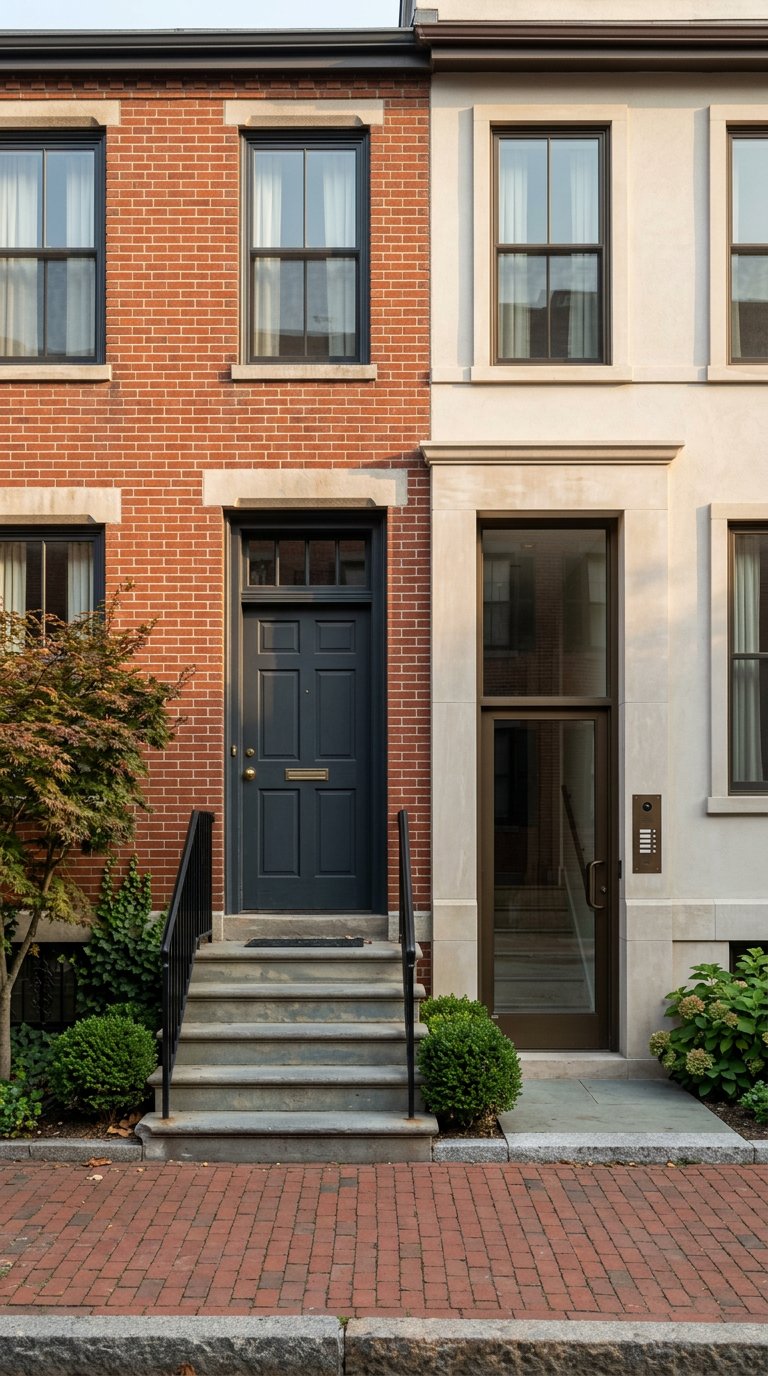
Condo buyers receive a deed to a unit plus a fractional interest in common areas, with governance by an association. You get individual property tax bills, and monthly HOA dues cover items like exterior maintenance, master insurance, management, and any shared amenities. Many Georgetown condos are boutique in scale, often offering one to three bedrooms and roughly 700 to 1,800 square feet, with select buildings providing concierge services and garage parking.
Examples near the waterfront show the tradeoff between low maintenance and private space. A two-level top-floor unit at 3210 Grace St NW #309 closed on April 29, 2025 for $800,000 at about 1,260 square feet, with a balcony, garage parking, and a modest HOA relative to full-service towers. Another boutique conversion at 3250 N St NW Unit 2C sold in April 2023 for roughly $925,000 at about 949 square feet, showing high price per square foot for walkable historic locations.
Financing can hinge on project health. Lenders and GSEs require building-level reviews that consider reserves, owner-occupancy, litigation, and assessments. You can reference Fannie Mae’s condo and co-op project eligibility to understand common lender checks. If a building has weak reserves or major upcoming work, financing options and buyer pools can narrow.
What you gain: low maintenance, potential amenities, security, and often garage parking. What you trade: less private outdoor space and, in luxury towers, a higher price per square foot.
Co-ops: bundled costs and tighter rules
With a co-op, you buy shares in a corporation that owns the building and receive a proprietary lease to occupy a specific unit. Boards typically have stronger approval standards and sublet policies than condo associations, which can lengthen timelines and narrow the buyer pool. Monthly maintenance usually bundles more line items, such as building property taxes, master insurance, a portion of any underlying mortgage, utilities, staff, and reserves. For a clear primer on co-ops versus condos, see Investopedia’s co-op vs. condo overview.
Co-ops are less common in Georgetown than rowhouses and condos but do appear in historic conversions and adjacent neighborhoods. As one local reference point, 3900 Tunlaw Cooperative in nearby Glover Park saw Unit 302 sell on June 21, 2024 for $248,000, with a maintenance fee that covers taxes, utilities, insurance, and the building’s underlying mortgage. That illustrates how co-ops can reduce entry price while increasing monthly predictability.
What you gain: bundled costs and community governance. What you trade: stricter approvals, tighter sublet rules, and fewer lender options.
What to weigh first: lifestyle and space
Start with how you live week to week. Use the questions below to focus the search and avoid second-guessing later.
- How much private outdoor space do you want for dining, pets, or gardening? Rowhouses can deliver gardens and terraces, while condos typically offer smaller balconies or shared courtyards.
- Do you want a low-maintenance, lock-and-leave setup? If yes, start with condos and select co-ops that include staffing and strong building services.
- Is parking essential or just nice to have? Garage parking is a scarcity premium in Georgetown, especially near the waterfront and historic cores.
- Do you plan to renovate soon after closing? Rowhouses give you control, but exterior work in the historic district requires design review and adds time. Condos and co-ops limit changes to what is allowed by building rules and systems.
- How important is future rental flexibility? Condos often allow rentals within policy limits, while co-ops may be restrictive. Rowhouse rentals depend on local regulations and your appetite for landlord responsibilities.
Essential due diligence for each property type
Getting the right documents early protects your position and can improve financing terms.
For condos
- Request the HOA budget, balance sheet, and most recent reserve study. Low reserves or major capital projects can lead to special assessments and financing hurdles.
- Review meeting minutes for discussions about building systems, litigation, or insurance cost increases.
- Confirm the building’s eligibility with your lender using Fannie Mae’s project review standards.
- Ask what the master insurance covers versus what your HO-6 policy must cover.
For co-ops
- Ask for the proprietary lease, house rules, and sublet policy in writing.
- Verify the underlying mortgage balance and how much of the monthly maintenance goes to debt service, taxes, and utilities.
- Confirm board approval requirements, financial thresholds, and interview timing. These can extend closing periods and affect resale liquidity.
For rowhouses
- Pull the historic-district permit history and any Old Georgetown Board or CFA filings. Exterior projects typically require review; process details are on the Old Georgetown review page.
- Order a thorough inspection focused on masonry, foundation, roofing, plumbing, and HVAC, since older systems often require capital planning.
- If you plan exterior work, expect 6 to 12 or more weeks for design review and permitting, depending on scope and season.
Timing and resale considerations in Georgetown
- Closing timelines: Rowhouses and condos generally close faster than co-ops, which require board approval and sometimes interviews. Condos can still slow down if the building’s documents or financials raise lender questions.
- Buyer pool and marketing: At very high price points, larger historic homes can spend longer on market due to a smaller pool of qualified buyers. Presentation, pricing strategy, and pre-list improvements matter.
- Renovation impact: Sensitive, design-forward renovations that respect historic character can support value. In contrast, poorly planned exterior alterations are unlikely to pass review and can delay your schedule.
- Ultra-luxury context: Newer ultra-luxury condo projects near Georgetown, including the Four Seasons Residences, have set record per-square-foot pricing in recent reporting, which frames expectations at the very top of the market. See Axios coverage of a Four Seasons record sale for perspective.
Real examples that show the tradeoffs
- Private outdoor living and scale: 1406 34th St NW closed on May 16, 2025 for $4,150,000 at about 5,356 square feet. The value reflects land, garden potential, and a prestigious historic address. If outdoor entertaining and interior volume top your list, this is the model to study.
- Compact rowhouse with a patio: 3344 P St NW sold on May 23, 2025 for $1,821,250 at roughly 2,012 square feet, proof that even smaller rowhouses can deliver private outdoor space with a classic Georgetown feel.
- Lock-and-leave by the river: 3210 Grace St NW #309 closed on April 29, 2025 for $800,000 at about 1,260 square feet in a 19-unit boutique building, balancing convenience, views, and garage parking with a modest monthly HOA relative to full-service towers.
- Entry pricing through a co-op: 3900 Tunlaw Cooperative, Unit 302, sold on June 21, 2024 for $248,000 in adjacent Glover Park, with maintenance that includes taxes, utilities, insurance, and a share of the building mortgage. The tradeoff is tighter rules and board approvals.
A clear framework to choose
- Choose a rowhouse if you value privacy, real outdoor space, and architectural character, and you are comfortable planning for maintenance and historic review for exterior work.
- Choose a condo if you prefer lower maintenance, building services, and often garage parking, and you are willing to accept smaller private outdoor areas and project-level rules.
- Consider a co-op if bundled monthly predictability and community governance appeal to you, and you are comfortable with board approvals, stricter financial requirements, and more limited rental options.
How a design-led advisor adds value
Selecting the right property type in Georgetown is not only about today’s floor plan. It is also about what you can change, how fast you can change it, and what that means for value at resale. A design-informed strategy helps you see both the living experience and the long game.
Here is how I guide clients in Georgetown:
- Sourcing and access: Curated early looks and discreet opportunities across rowhouses, boutique condos, and select co-ops.
- Renovation planning: Pre-offer feedback on scope, historic review feasibility, and likely timelines so you avoid surprises.
- Deal structure: Terms that anticipate association approvals, condo project reviews, and co-op board calendars.
- Value lens: Comparable analysis that adjusts for outdoor space, parking, building reserves, and assessment risk.
If you want a clear, confident path to the right Georgetown home, let’s talk. Connect with Donna Leanos to explore private options and tailor a strategy to how you live.
FAQs
What is the key difference between Georgetown rowhouses, condos, and co-ops?
- Rowhouses are fee-simple homes you own outright, condos are deeded units with shared elements, and co-ops are shares in a corporation with a proprietary lease and stricter rules.
How do monthly fees typically compare in Georgetown condos versus co-ops?
- Condo HOAs cover common areas and services while you pay taxes separately, whereas co-op maintenance often bundles taxes, insurance, utilities, and a share of any building mortgage.
How does historic review affect renovations to Georgetown rowhouses?
- Most exterior changes visible from public space require Old Georgetown Board review, which can add several weeks to months; see the CFA’s Old Georgetown guidance for process details.
What financing checks should I complete for a Georgetown condo or co-op purchase?
- Have your lender confirm project eligibility, reserves, and any litigation using standards like Fannie Mae’s condo and co-op guide.
Is garage parking common with Georgetown properties?
- Garage parking exists but is limited, and it carries a premium in both boutique condos and historic rowhouses, so verify inclusion and transferability early.
How do closing timelines compare among rowhouses, condos, and co-ops in D.C.?
- Rowhouses and condos usually close faster, while co-ops can take longer due to board applications and interviews, which narrows timing flexibility for buyers and sellers.