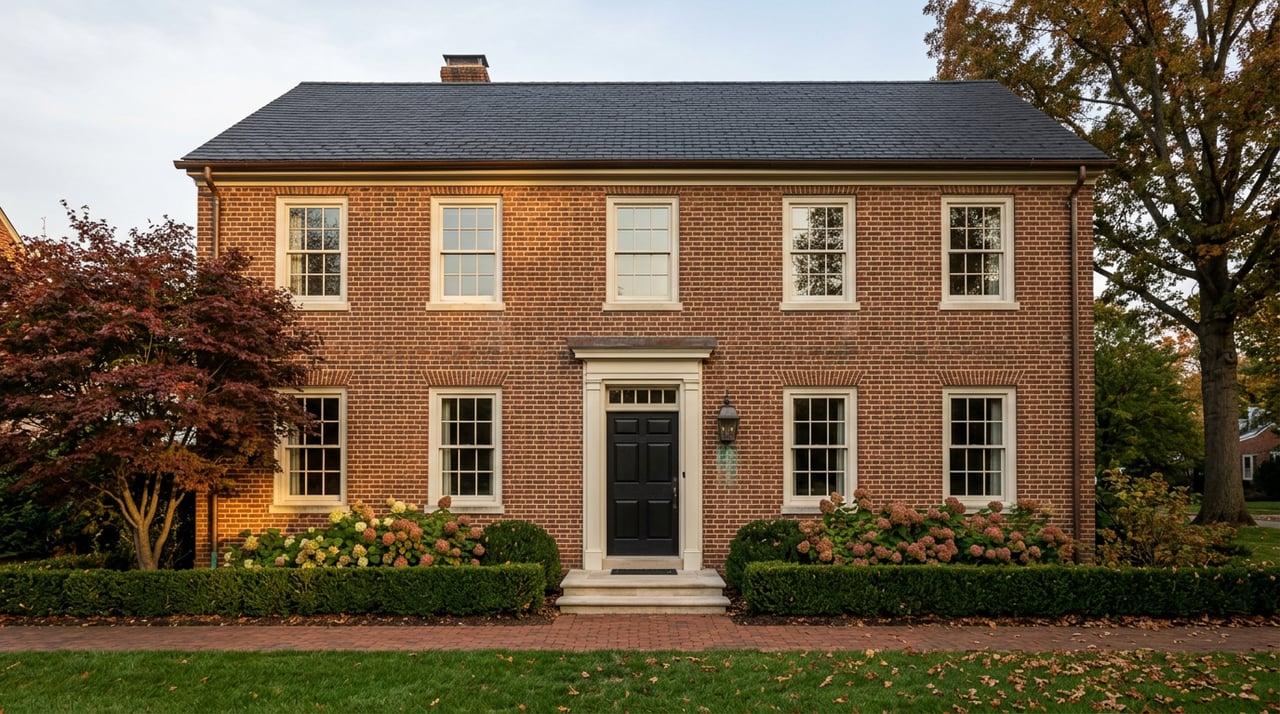
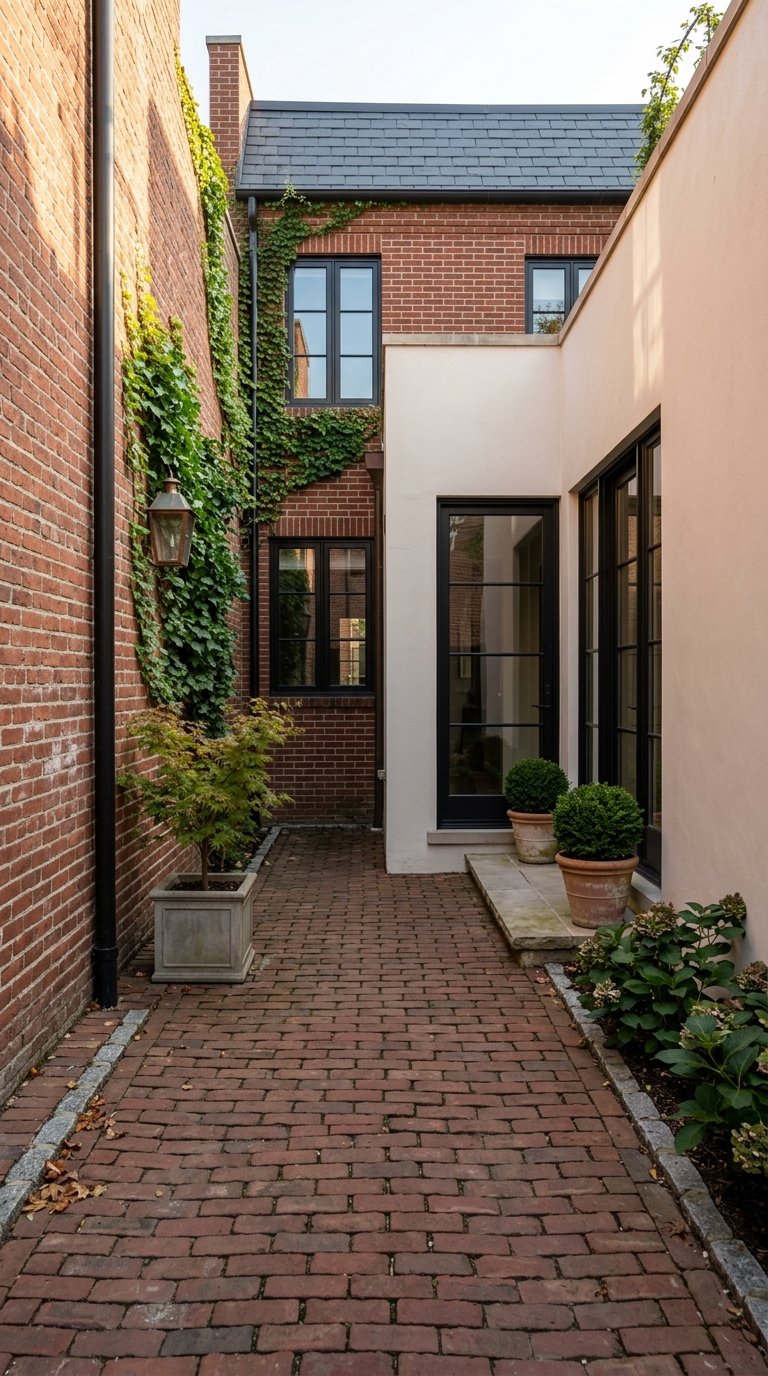
Slip past the storefronts of M Street and Wisconsin Avenue, and Georgetown reveals a quieter world of brick lanes, tucked courtyards, and converted carriage houses. If you crave character, privacy, and walkable access to the waterfront and cafés, these inward-facing homes can feel like a secret village inside the city. In this guide, you will learn how to spot them, what daily life looks like, and how preservation rules shape what you can change. You will also get practical buying questions and a path to move forward with confidence. Let’s dive in.
What makes these homes special
Behind Georgetown’s continuous street fronts sit intimate spaces that open inward. Small clusters of townhouses gather around gated courts. Rows of former stables and garages have become mews-style homes. Brick alleys thread between buildings and lead to cottage-scale dwellings. The effect is a human-scale fabric that feels distinct from the busy shopping corridors.
This urban pattern is part of why Georgetown is a National Historic Landmark District. Most exterior work in the neighborhood is reviewed through the Old Georgetown Act process, which helps preserve the look and feel of these spaces. If you are picturing garden walls, wrought-iron gates, and brick paving, you are on the right track. The DC Office of Planning explains the district’s history and review framework in its overview of the Georgetown Historic District.
A quick history of alleys and courtyards
Washington’s alleys began as service networks for stables, carriage houses, and workshops. By the late 19th and early 20th centuries, many evolved into tight residential communities. Reform efforts, including the 1930s Alley Dwelling Act, changed how the city treated these spaces and led to demolition, reinvestment, and later adaptive reuse. The Washington Post’s feature on DC alleys is a concise primer.
Today’s mews homes, courtyard clusters, and alley cottages often carry that layered history. The buildings may be old, but the current mix of high design, quiet privacy, and strong market value is relatively new. For a deeper look at the social history and evolution of these spaces, see the Georgetown University Press book, Hidden Alleyways of Washington, DC.
Typologies you will find
Courtyard residences
These are townhouses or small clusters oriented around a shared, often gated court rather than the main street. Expect brick or bluestone paving, boundary walls, climbing greens, and modest seating areas. Scale is intimate. Think dinner for four, not a large garden party. Because surrounding buildings can shade the space, plant choices and lighting design matter.
What to look for:
- Wrought-iron or wood gates with an inward view
- Brick or stone courts with planters and lanterns
- Windows and doors oriented to the court more than the street
Mews-style houses
Borrowed from British terminology, “mews” describes lanes of former stables or service buildings converted to residences. In Georgetown, this pattern appears where rear outbuildings once served main houses and were later adapted.
Common cues:
- Narrow lanes with brick or cobble paving
- Large former carriage openings reworked as doors or windows
- Lantern-style lighting and compact, two-story forms
Alley cottages
Alley houses were historically small brick cottages, often 12 to 16 feet wide. Many survive as legal dwellings, have been updated, or combined. Interiors tend to be compact with split levels, clever storage, and strategic daylight. Skylights and light wells are common solutions, a point echoed in coverage of DC’s alleys in the Washington Post.
Tradeoffs to note: these homes offer privacy and character, but interior space and parking can be limited. Renovations also interact with preservation rules, which can affect cost and timing.
Lifestyle and daily rhythm
If you value walkability, these homes can be exceptional. From central Georgetown you can reach boutiques, cafés, and the C&O Canal in minutes. The Potomac waterfront adds open views and bikeable stretches, with the National Park Service managing the public green along the river. Explore the setting through Georgetown Waterfront Park.
Noise levels vary. Weekdays often feel calm inside courtyards and along back lanes. Weekends and tourist seasons can bring more foot traffic near the shopping corridors. Parking is frequently the pressure point. Some homes include a small garage or assigned rear space, but many rely on street parking. Always verify what conveys.
How to spot them on foot
You can feel the shift from public to semi-private as you move off the main streets. Look for narrow entries that frame a view inward, courtyard name plaques, and house numbers set within gates or side passages. A few public examples help illustrate the pattern:
- Cady’s Alley shows how inward-facing courts can organize daily life and retail experiences in Georgetown. For context on its evolution, see this local piece in The Georgetowner.
- Blues Alley, housed in a former carriage structure off an alley, is a long-running cultural anchor and a classic example of adaptive reuse. Read more via The Georgetowner’s look at Blues Alley.
- For historic imagery and surveys, the Library of Congress HABS collection provides helpful reference material, including the Old Stone House entry.
These references give you language and imagery to recognize gates, lanes, and inward-facing forms when you are touring on foot.
Renovation and preservation 101
Because Georgetown is a protected historic district, exterior changes usually require review. The Old Georgetown Board and the U.S. Commission of Fine Arts advise on most exterior work. That includes courtyard-facing elevations, gates, paving, rooflines, and new outbuildings. Start with the city’s overview of the Georgetown Historic District, then consult the CFA’s submission steps for the Old Georgetown review process.
Common triggers for review:
- New or altered courtyard gates, fences, and walls
- Changes to windows, doors, and visible rooflines
- New rooftop decks or terraces visible through openings or from public ways
- Paving changes, exterior lighting, and site fixtures
Timeline and feasibility matter. In a competitive market, you should price and plan approvals before you write an offer that assumes significant exterior work. Expect to coordinate early with a local architect who understands OGB/CFA standards. Good design and a clear submission can reduce surprises.
Buying smart: questions to ask
Use this quick checklist when you evaluate a courtyard, mews, or alley home:
- Access and circulation. How do guests, groceries, and deliveries reach your door. Are there steps or narrow turns that affect daily living.
- Light and privacy. Where does natural light enter. Are there skylights or light wells. Do neighboring windows face yours.
- Outdoor use. How many people can the courtyard or patio comfortably host. Is there shade that affects planting and furniture.
- Parking and storage. Does a garage or space convey. What are your street parking options and permit eligibility.
- Drainage and maintenance. How is water managed in the court. Are there shared responsibilities for paving, gates, or plantings.
- Systems and structure. In historic cottages and conversions, confirm mechanical upgrades, insulation, and any underpinning or waterproofing.
- Approvals history. What exterior changes were already approved. Ask for drawings or permits to understand precedents and constraints.
If you plan a renovation, align scope with OGB/CFA review early and build those steps into your timeline and offer strategy. The CFA’s how-to-submit page outlines key materials and meeting cadences.
Is a hidden courtyard or alley home right for you
Pros:
- Quiet, inward-facing living with a strong sense of privacy
- Distinct architecture, materials, and charm
- Exceptional walkability to shops, the canal, and the waterfront
Cons:
- Limited or no off-street parking for many properties
- Smaller floorplates and tighter rooms compared to front-street houses
- Preservation review can add time and shape what you can change
If you value design, light, and texture over sheer square footage, these homes can be deeply rewarding. If you need four-car parking or a half-acre lawn, they are not the right fit.
See the pattern in public places
To understand the micro-geography, pair a simple map with a short walk. Mark the C&O Canal, Georgetown Waterfront Park, and one or two named courts or alleys. Add any inward-facing retail clusters such as Cady’s Alley. The DC Office of Planning’s materials on the Georgetown Historic District and the National Park Service page for Georgetown Waterfront Park provide reliable references.
Work with a design-led advisor
Finding these homes often comes down to access, timing, and judgment about what is feasible under preservation rules. You want an advocate who understands proportions, light, and materials, and who can coordinate with architects while structuring a winning offer. If you are exploring Georgetown’s courtyards, mews, and alley cottages, connect with Donna Leanos for design-forward guidance, private sourcing, and a clear plan from first look to final approval.
FAQs
Are alley and courtyard homes legal in Georgetown today
- Yes. Many exist as recognized dwellings or commercial spaces. Exterior work usually requires Old Georgetown Board and CFA review. Start with the DC Office of Planning’s Georgetown Historic District overview and the CFA’s Old Georgetown submission steps.
Will a courtyard or alley home feel dark inside
- It can, since floorplates are compact and inward facing. Many updated homes use larger courtyard windows, skylights, or light wells to bring in daylight, as noted in the Washington Post’s DC alleys coverage.
Do these properties usually include parking
- Often not. Some have a small garage or shared rear space, but many rely on street parking. Always confirm what conveys and what permits you can secure.
Are these homes quieter than properties on M Street or Wisconsin Avenue
- Generally yes on weekdays due to their inward orientation. Weekends and tourist seasons can feel busier near the shopping corridors, so assess location and access patterns during different times of the week.
What exterior changes typically trigger historic review
- New or altered gates and fences, visible roofline or window changes, rooftop decks visible from public ways, and paving or lighting updates. See the CFA’s Old Georgetown review guidance for submission details.