If you care as much about how a place feels as how a home looks, Bethesda tends to stand out quickly. For many buyers, the draw is not just one beautiful house or one popular block. It is the way walkability, architecture, retail, and culture work together to create a polished daily experience. If you are trying to understand why design-focused buyers keep coming back to Bethesda, this guide will show you what makes the area so compelling. Let’s dive in.
Bethesda rewards design-minded living
Design-focused buyers usually notice more than square footage or bedroom count. You may be paying attention to streetscape quality, how buildings meet the sidewalk, whether public spaces feel intentional, and how easy it is to move through the neighborhood without relying on a car for every stop.
Bethesda answers those questions well because form and function reinforce each other. The area offers a deliberately managed downtown, transit access, trail connectivity, and a housing stock that spans historic homes, modernist architecture, and contemporary luxury properties.
Downtown Bethesda feels intentionally composed
One of the clearest examples is Bethesda Row. The EPA describes it as a mixed-use, walkable district two blocks from downtown Bethesda with brick sidewalks, plazas, trees, outdoor café seating, curbside parking, and a parking strategy designed so visitors can park once and walk the district.
That layout matters if you value environments that feel easy and well edited. Bethesda Row spans four city blocks and includes more than 300,000 square feet of retail and restaurant space, more than 140,000 square feet of office space, and 180 residences. Instead of feeling scattered, the district reads as cohesive.
Walkability adds daily ease
For many buyers, good design is practical as much as visual. WMATA lists Bethesda station as a Red Line stop with bike racks, lockers, and bikeshare, which supports car-light daily routines and flexible commuting.
The Capital Crescent Trail adds another layer. The National Park Service says the trail connects Bethesda to Georgetown, giving residents an additional way to move through the region while staying connected to an outdoor amenity that is part of everyday life, not just a weekend destination.
Planning standards shape the experience
Bethesda also benefits from ongoing stewardship. Bethesda Urban Partnership says it has maintained and marketed downtown Bethesda since 1994 with a strategic vision for a downtown that is clean, safe, beautiful, walkable, and increasingly diverse.
Montgomery Planning adds another important piece. The approved Bethesda Downtown Sector Plan guides development for the next 20 years, and the Bethesda Downtown Design Advisory Panel is intended to heighten design excellence and improve architecture, urban design, and landscape architecture in Bethesda. If you are design-focused, that kind of oversight matters because it helps protect the overall quality of place.
The housing stock offers real architectural range
Bethesda appeals to buyers who do not want a one-note market. Instead of offering just one dominant housing type or aesthetic, it presents a layered built environment with historic character, recognized modernist homes, and newer luxury construction.
That range gives you options depending on how you want to live. You might be drawn to preservation, a carefully planned renovation, or a new-build home with modern systems and open living spaces. In Bethesda, all three paths exist.
Historic homes add depth
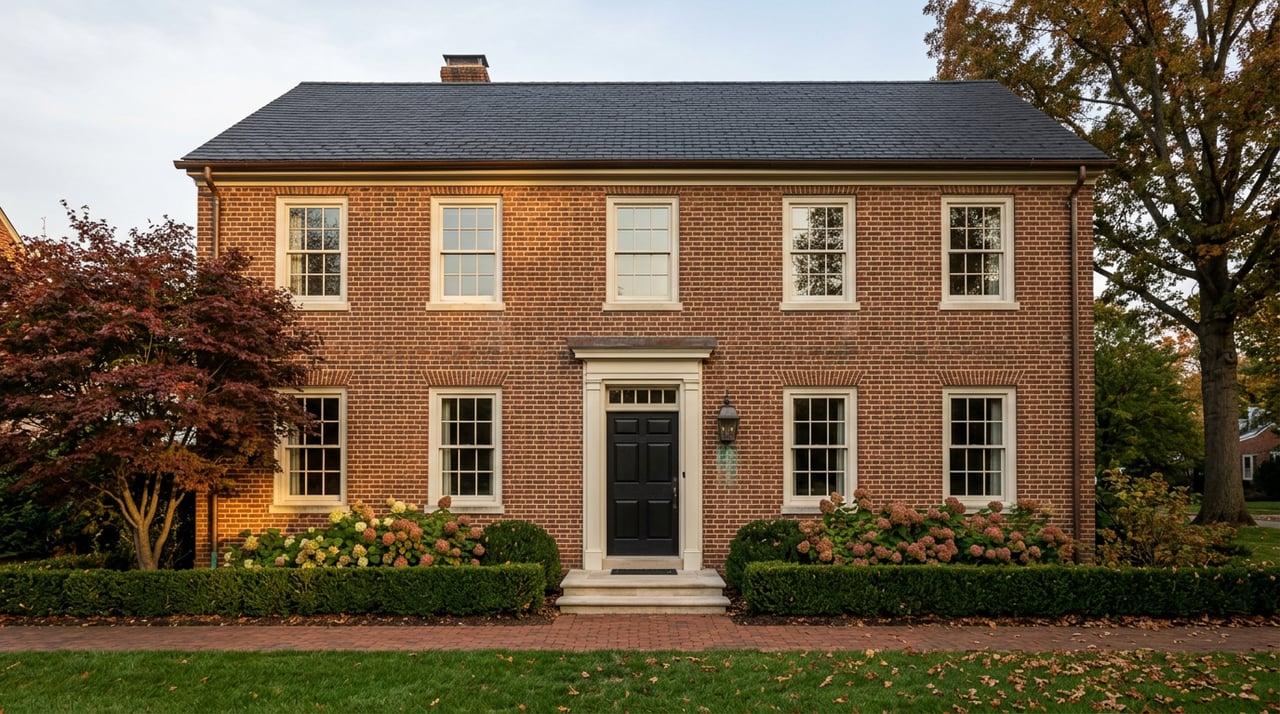
The Maryland Historical Trust identifies Moreland on Moorland Lane as an 1894 Colonial Revival house and an unusual survivor from pre-suburban Bethesda. That kind of property gives the area a sense of architectural continuity and reminds buyers that Bethesda did not emerge all at once.
For design-conscious buyers, historic homes can offer proportion, craftsmanship, and detail that are difficult to replicate. They also appeal to people who want a house with a story and are willing to balance charm with the realities of updates and preservation.
Modernist homes create a distinct niche
Bethesda also has legitimate modernist pedigree. Montgomery Planning’s Montgomery Modern work documents Carderock Springs as a subdivision of 360 modernist houses northwest of Bethesda, planned around curving streets and wooded terrain.
That is significant because it gives Bethesda architectural breadth beyond traditional colonials. If you are drawn to clean lines, indoor-outdoor connection, and homes that respond to topography and landscape, Bethesda offers more than many buyers expect at first glance.
Renovation remains part of the appeal
Part of Bethesda’s design story is how older homes are being reworked for contemporary life. Washingtonian recently profiled a 1920s center-hall colonial in Bethesda that was renovated to update the kitchen and baths and open up the original part of the house.
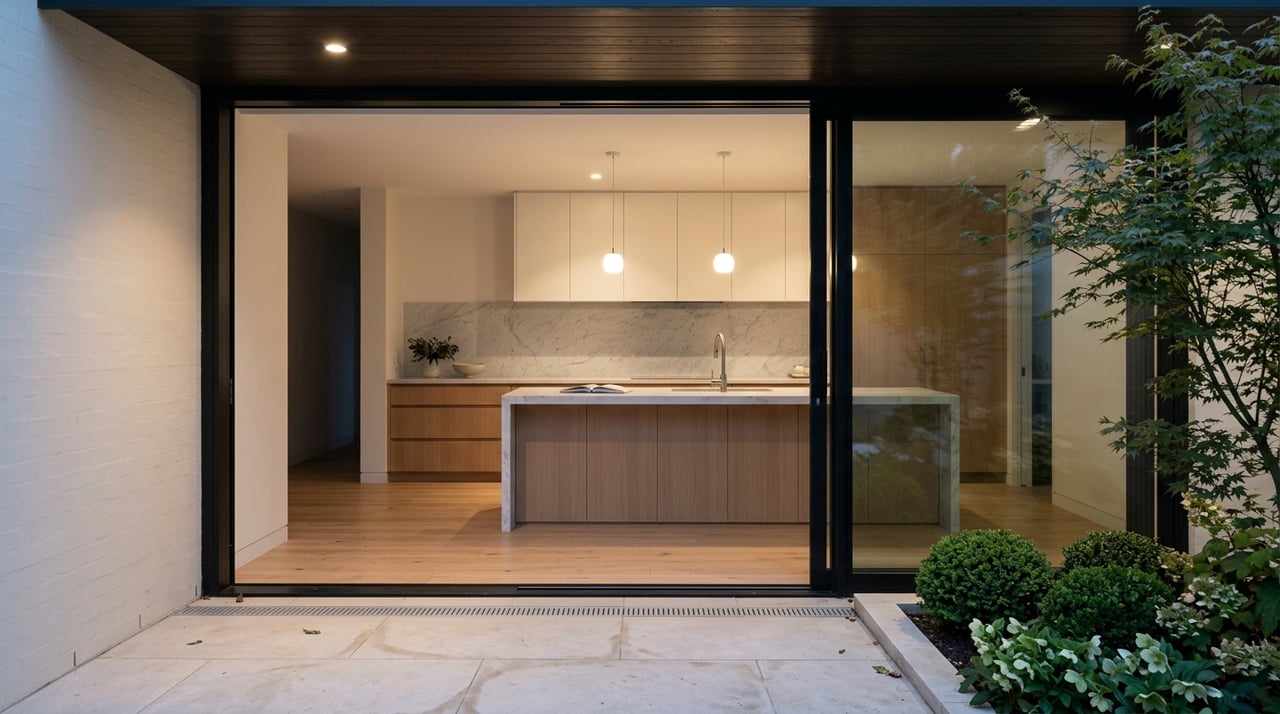
Home & Design featured another Bethesda colonial whose owners wanted a modern, warm, clean California feel, using natural oak flooring, black-painted window frames, and crisp white walls. These examples show that buyers are not simply choosing between old and new. Many are choosing homes that can be thoughtfully reimagined.
New construction widens the options
On the new-construction side, Tri Pointe’s Amalyn community in Bethesda is marketed with modern urban-inspired townhomes, open floorplans, elevators, rooftop terraces, and resort-style amenities. That adds another layer for buyers who want lower-maintenance luxury or contemporary layouts from day one.
The key point is not that Bethesda favors one style. It is that the market supports a full spectrum of design priorities, which is exactly why architecture-minded buyers often keep it on a short list.
Retail in Bethesda feels curated
Design-focused buyers often care about what surrounds the home as much as the home itself. In Bethesda, the retail environment contributes to the area’s identity in a visible way.
Bethesda Row organizes its offerings around Home + Decor, Fashion + Style, Food + Drink, Health + Beauty, and Life + Culture. In home and decor, examples include Farrow & Ball, Framebridge, Serena & Lily, The Shade Store, Williams-Sonoma, and Boll & Branch.
That concentration helps downtown Bethesda feel polished rather than generic. If you like living near design-oriented retail, the area supports that lifestyle with stores that align with how many buyers think about interiors, materials, and presentation.
Dining supports the lifestyle draw
The dining mix also adds to Bethesda’s appeal. Bethesda Row lists restaurants and cafés such as Maman, Mon Ami Gabi, PRATO, Raku, The Salt Line, Levain Bakery, Poke Dojo, Sweetgreen, and Quartermaine Coffee.
This matters because design-minded buyers are often choosing a full rhythm of life, not just a property. The EPA case study notes that the district’s pedestrian layout encourages people to park once and move through the area on foot, which makes dining and shopping feel integrated into the neighborhood experience.
Bethesda Urban Partnership adds that Taste of Bethesda takes place in Woodmont Triangle, three blocks from the Bethesda Metro, and showcases Bethesda restaurants alongside live entertainment. Events like this reinforce the sense that downtown Bethesda is active, walkable, and socially connected.
Arts and culture make Bethesda feel complete
A strong cultural calendar can be the difference between a convenient location and a place that feels deeply lived in. Bethesda has a formal arts identity that strengthens its appeal for buyers who want more than beautiful housing stock.
The state designated downtown Bethesda as an Arts & Entertainment District effective July 1, 2002. Bethesda Urban Partnership says the district includes theatres, independent films, galleries, and public art, along with tax incentives for artists, arts enterprises, and developers who create arts space.
Events create year-round energy
Bethesda Urban Partnership produces recurring events including the Bethesda Fine Arts Festival, Bethesda Film Fest, Summer Concert Series, Bethesda Outdoor Movies, Local Writer’s Showcase, and Bethesda Painting Awards. That kind of programming gives the area a steady cultural rhythm.
For buyers, this can be a meaningful quality-of-life factor. It means the neighborhood experience extends beyond errands and dining reservations into film, art, music, and community events that happen throughout the year.
Venues support everyday culture
Bethesda’s venues make that identity tangible. Landmark Bethesda Row Cinema offers eight screens, reserved seating, premium concessions, and a mix of independent film, foreign-language cinema, and Hollywood releases.
Imagination Stage says its campus is in the heart of Bethesda, and Round House Theatre says it is one block from Bethesda station. Together, these venues help Bethesda feel more like a small urban district with cultural infrastructure built into daily life.
What this means for buyers
If you are considering Bethesda, it helps to look beyond style labels. The real advantage is the way public realm, architecture, retail, transit, and culture support each other.
That has practical implications for your search. You may want to decide early whether you are looking for historic character, modernist design, a renovation opportunity, or newer luxury construction. Each path calls for a different strategy, especially in a market where distinctive properties can attract quick attention.
For design-focused buyers, this is where experienced guidance matters. Evaluating layout potential, renovation upside, architectural integrity, and long-term positioning takes more than a quick online search. It takes local context and a clear eye for how design choices affect both daily living and property value.
Bethesda continues to attract buyers who care about beauty, but its deeper appeal is discipline. The area works because it is not just attractive. It is planned, maintained, layered, and lived in with intention.
If you are exploring Bethesda with a design lens, working with an advisor who understands architecture, renovation potential, and complex luxury transactions can help you move with more clarity and confidence. To start the conversation, connect with Donna Leanos.
FAQs
Why do design-focused home buyers look at Bethesda?
- Buyers often look at Bethesda because it combines a polished public realm, walkable mixed-use districts, varied architecture, transit access, trail connectivity, and a strong arts and dining scene.
What types of architecture can buyers find in Bethesda?
- Buyers can find a range of housing types in Bethesda, including historic homes such as Colonial Revival properties, recognized modernist homes in Carderock Springs, renovated older houses, and newer luxury construction.
What makes downtown Bethesda feel more design-forward?
- Downtown Bethesda feels design-forward because of intentional planning features such as brick sidewalks, plazas, trees, outdoor seating, walkable blocks, and design oversight through long-range planning and review.
Is Bethesda a good fit for buyers who want walkability?
- Bethesda can appeal to buyers who want walkability because areas like Bethesda Row are designed for park-once convenience, and the neighborhood also includes Red Line access, bike amenities, and connection to the Capital Crescent Trail.
How does arts and culture shape life in Bethesda?
- Arts and culture shape life in Bethesda through its Arts & Entertainment District designation, year-round events, public art, film, theatre, and cultural venues in and around downtown.
What should design-conscious buyers consider before buying in Bethesda?
- Design-conscious buyers should consider whether they want historic character, renovation potential, modernist architecture, or new construction, and they should evaluate how layout, location, and long-term value align with their goals.